Complete Guide to the Merrithew Pilates Mat
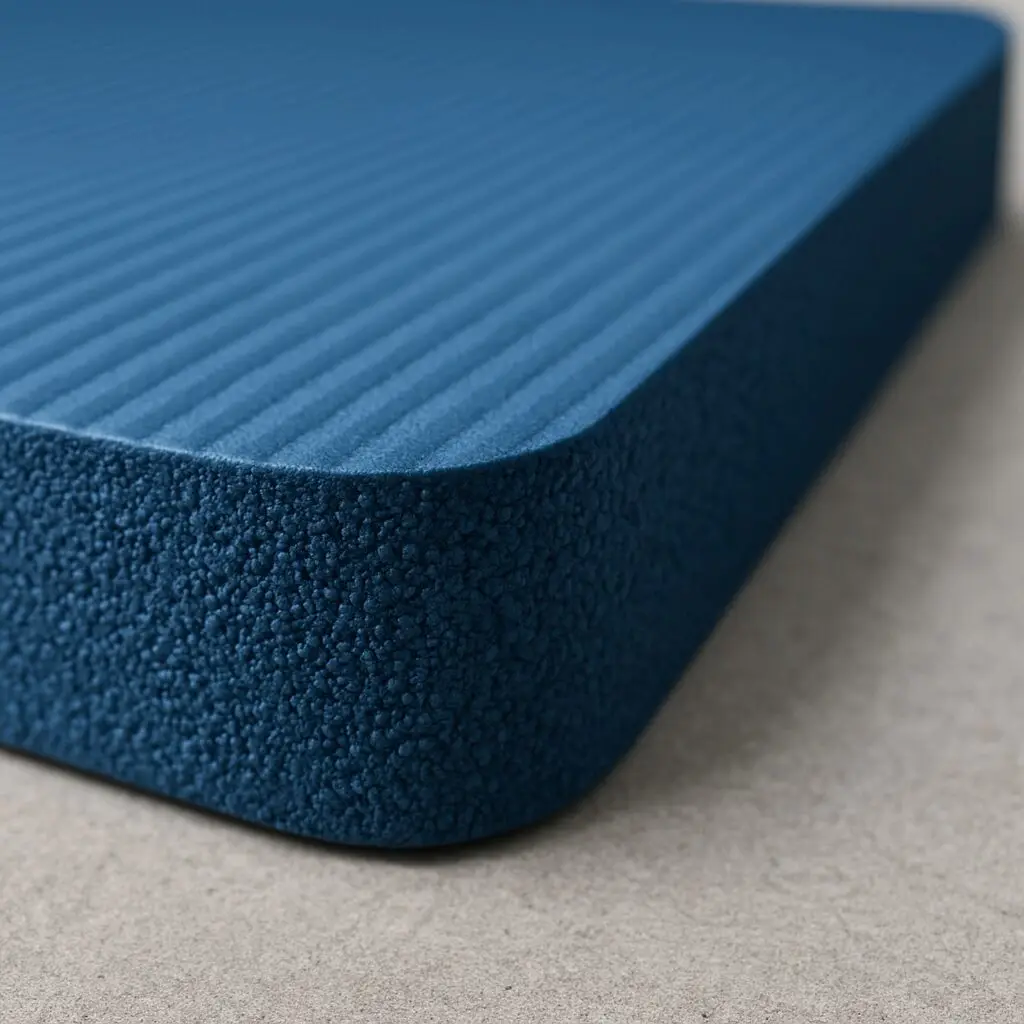
From a quick morning session to a longer workout, your Pilates practice begins with your mat, and the right surface makes a real difference to your comfort, safety and success. This guide explains the benefits of a premium Merrithew Pilates mat, the fundamentals of the method, and how the right equipment changes the way you move.
What is Pilates?
Developed in the early 20th century by Joseph Pilates, the system was originally called "Contrology" — a focus on the mind-body connection through precise movement, breath control and core strength. (And no, it has nothing to do with the historical figure Pontius Pilate; the name simply comes from its founder.)
Pilates also helps with flexibility and weight loss: it elongates muscles through simultaneous stretching and strengthening, and building lean muscle boosts your resting metabolic rate. With consistent practice, people report better posture, less back pain and noticeable toning.
Why the mat matters
When starting out, the most important investment is a high-quality mat. Yoga mats are deliberately thin (3–5 mm) to help you feel the floor in standing balance poses, but they won't support the rolling and spine-focused movements of Pilates. Exercising on the wrong surface leaves your body unsupported and vulnerable.
How thick should a Pilates mat be?
For mat-based Pilates, thicker is better, and the usual recommendation is at least 10–15 mm.
| Thickness | Best for |
|---|---|
| 15 mm | Superior impact absorption for sensitive joints, older adults, or anyone recovering from injury. |
| 10 mm | A little more floor feedback for control, while high-density foam still protects the spine. |
The benefits of a Merrithew Pilates mat
Merrithew, long associated with the anatomically based STOTT Pilates method, is a gold standard in Pilates equipment.
- Professional studio grade: engineered to keep their shape and density under heavy daily use.
- Premium materials: deluxe and eco-friendly TPE options that are recyclable, toxin-free and lightweight.
- Moisture resistance: closed-cell foam stops sweat and bacteria seeping in, so a simple wipe-down keeps it clean.
- Grip and portability: reliable surface grip that holds up over time, with carry-strap models for training on the go.
- STOTT Express features: ribbed textures for enhanced grip and optimal cushioning, ideal for teacher training.
Expanding the arsenal: accessories
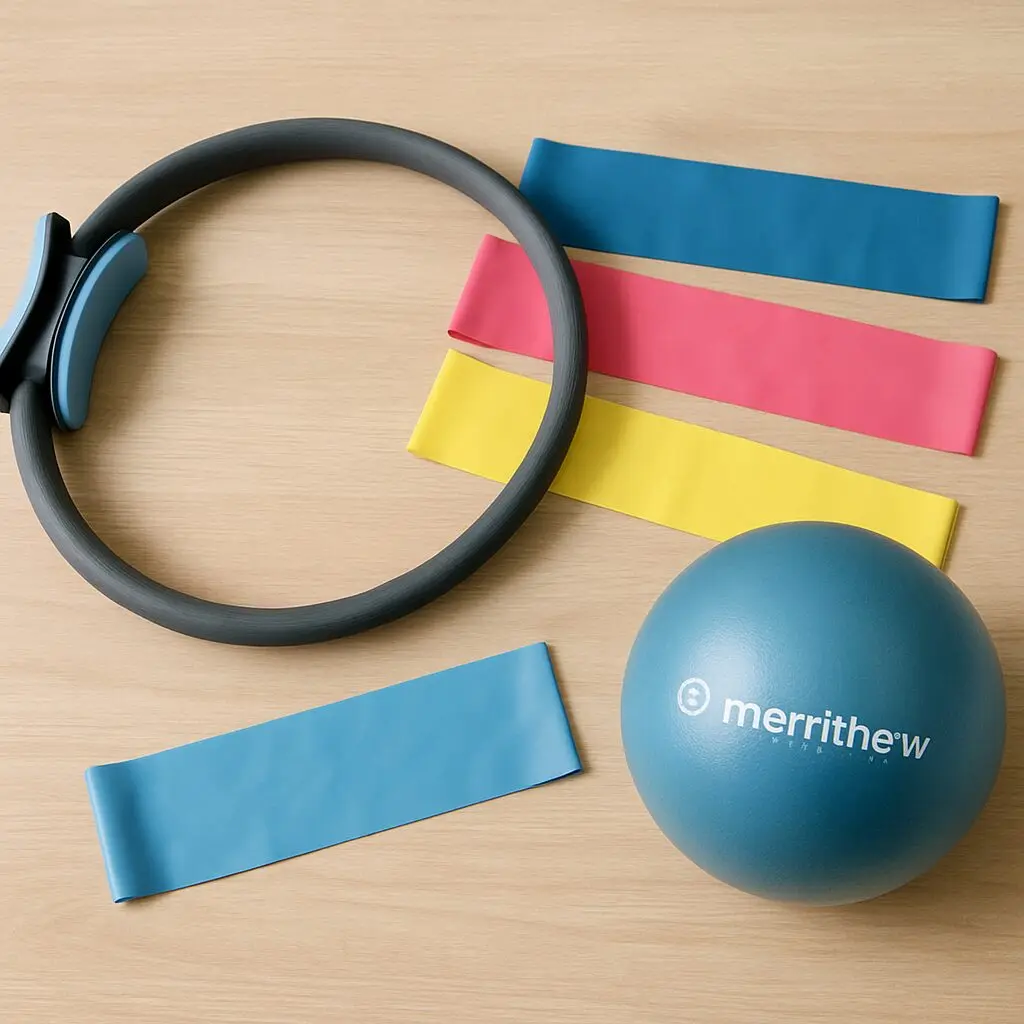
The mat is essential, and accessories add resistance and variety to your routine:
- Pilates ring (magic circle): adds resistance to inner and outer thigh work.
- Pilates ball: introduces instability so your core works harder.
- Elastic bands: simulate reformer resistance during a mat workout.
- Sliders and pads: challenge stability with smooth, gliding movements.
Moving beyond the mat: Pilates machines
A reformer is a machine with a sliding carriage, springs and pulleys that provides both resistance and assistance. Other apparatus include the Wunda chair, the Cadillac, and the reformer jumpboard for low-impact cardio. If you want something more intense, Lagree uses the Megaformer and bodybuilding techniques, while traditional Pilates stays focused on alignment and therapeutic movement.
The booming UAE Pilates scene
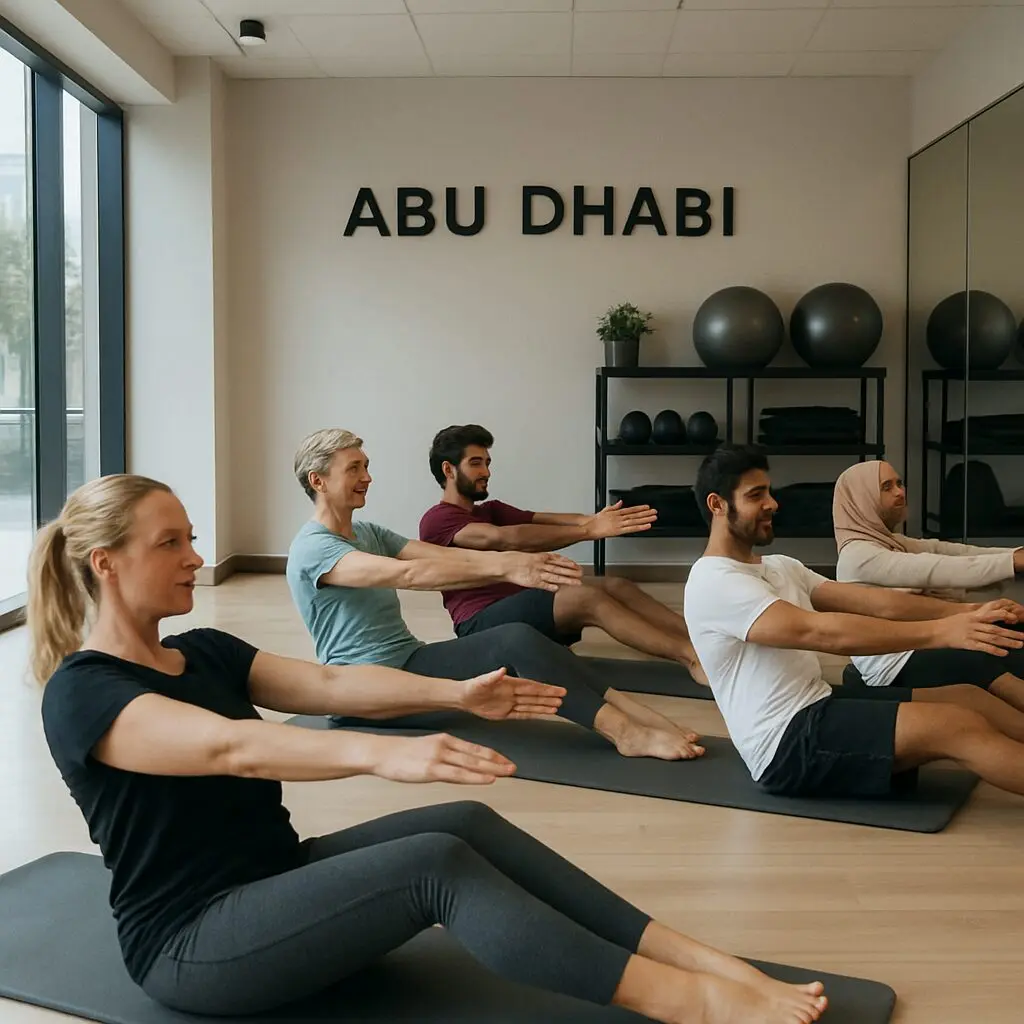
If you're in the UAE, the choice is wide, from a Pilates class in Abu Dhabi to specialised reformer sessions, with busy studios across Khalifa City, Jumeirah, DIFC, Business Bay and beyond. Searching for a "Pilates studio near me" will turn up plenty of choices for every budget.
Maintaining your mat
- Post-workout wipe-down: use a gentle, natural cleaner — closed-cell foam makes this quick.
- Deep clean monthly to preserve grip.
- Storage: roll the mat loosely (never fold it) and keep it out of direct sunlight.
What's the difference between a Pilates mat and a yoga mat?
Pilates mats are thicker and denser to protect the spine and joints during rolling and supine work, while yoga mats are thin to enhance floor feel for standing balance. A 3–5 mm yoga mat won't give enough cushioning for Pilates.
Should my mat be 10 mm or 15 mm?
15 mm offers superior impact absorption for sensitive joints, older adults or anyone easing back after an injury. 10 mm still cushions the spine while giving a bit more floor feedback for control.
How do I clean and store my mat?
Wipe it down after each session with a gentle cleaner, deep-clean about monthly, roll it loosely (don't fold), and store it out of direct sunlight.
Will Pilates help with flexibility and weight loss?
Yes. It improves flexibility through dynamic stretching and builds lean muscle that supports weight loss. For well-rounded fitness, complement it with cardio, since traditional mat Pilates is light on heavy cardio and progressive overload.