Pilates vs Yoga: Key Differences and How to Choose
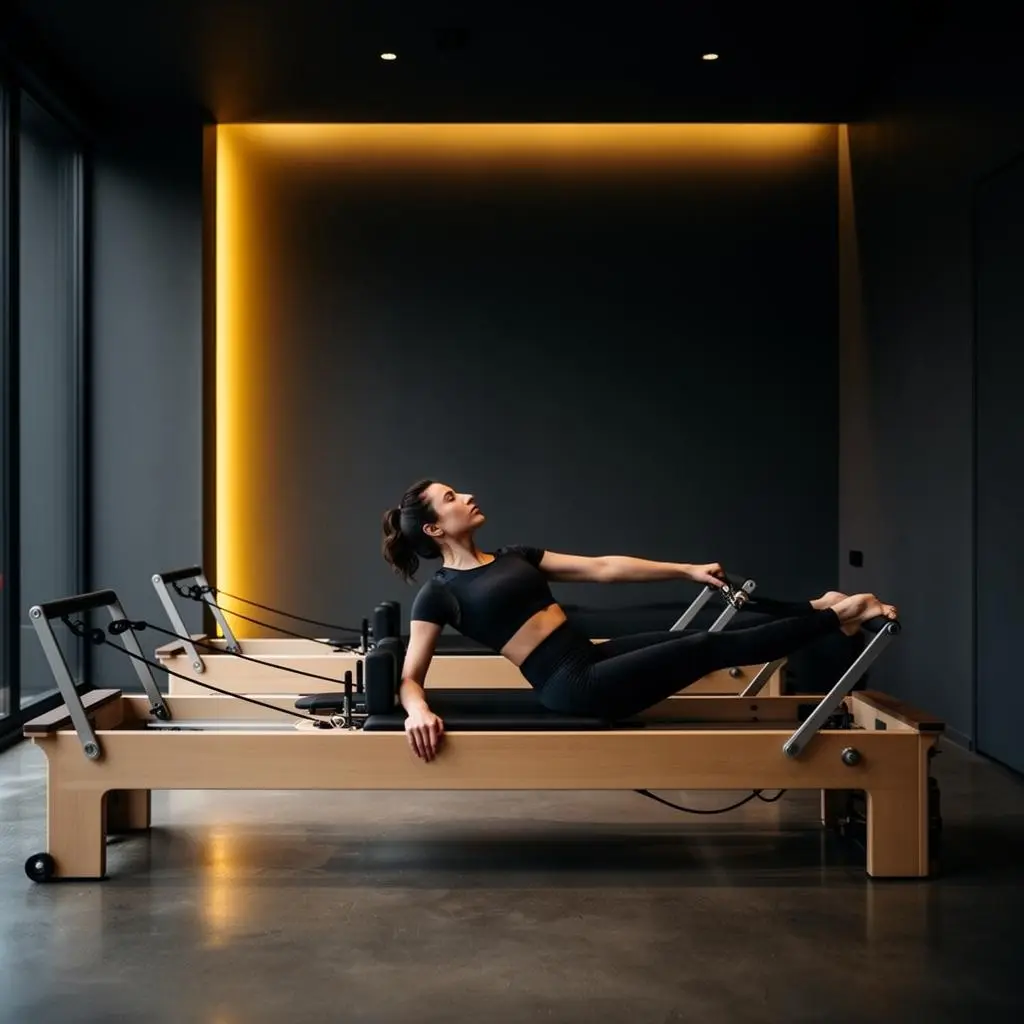
Pilates and yoga share a calm, mat-based aesthetic but they were built to do different things. Knowing the difference makes it much easier to pick.
Pilates and yoga share a calm, mat-based aesthetic, and from the outside a class of each can look almost identical. But they were built to do different things, and understanding the real differences makes it far easier to pick the right one — or to combine them intelligently. Here is a clear breakdown of Pilates vs yoga.
Different origins, different intent
Yoga is several thousand years old. It was built around breath, meditation and spiritual practice, with physical postures layered on as one limb of a much broader system. Even in its modern, fitness-focused forms, that foundation in breath and mind shows through.
Pilates is barely a century old. It was created in the early 1900s by Joseph Pilates as a rehabilitation and core-conditioning system, originally to help injured dancers and bedridden patients rebuild strength. Its goal from the start was precise, controlled movement of the spine, hips and shoulders. That difference in origin — ancient spiritual practice versus modern rehabilitation system — explains almost everything that follows.
What each one trains physically
Yoga emphasises flexibility, balance and breath capacity. Holding and flowing through postures develops mobility, joint range and a strong mind-body connection, and the breath work has measurable effects on the nervous system and stress.
Pilates emphasises core strength, postural control and movement precision. The work is deliberately controlled, targeting the deep stabilising muscles of the trunk, and — especially on the reformer — using spring or band resistance to load those muscles progressively. Where yoga lengthens and calms, Pilates strengthens and aligns.
The role of breath in each
Both disciplines treat breath as central, but use it differently. In yoga, the breath is often the point — long, slow breathing regulates the nervous system and anchors the practice. In Pilates, the breath is a tool for control and core engagement, coordinated tightly with movement to stabilise the spine under load. Neither is "better"; they are simply doing different jobs with the same instrument.
Which one helps with what
Choose yoga primarily for stress regulation, mobility, balance and breath. It is excellent for winding down, improving flexibility, and building a calm, resilient nervous system. If your life is high-stress and your body feels tight and braced, yoga directly addresses that.
Choose Pilates primarily for core strength, posture, and a clear strength progression. It is the better choice if you sit at a desk all day, struggle with posture or mild back stiffness, or want a controlled way to build strength that complements heavier training. Reformer Pilates in particular gives you measurable progression in a way that most yoga does not aim to.
Pilates and yoga for back pain
Both can help a sore back, but through different mechanisms. Yoga eases stiffness through mobility and relaxation, which suits backs that feel tight and tense. Pilates rebuilds the deep core and hip control that a weak, unstable back is missing, which suits the common desk-related mechanical pain. For chronic mechanical lower-back pain specifically, Pilates — especially cadillac and reformer work under a qualified instructor — tends to have the stronger track record, though any acute or radiating pain needs medical clearance first.
Can you do both?
Yes, and many people get the best results doing exactly that. A common and effective combination is yoga for the nervous system and mobility, Pilates for the structure and strength. They complement rather than compete: yoga keeps you supple and calm, Pilates keeps you strong and aligned. If you also lift weights, the trio of strength plus Pilates plus yoga covers force, control and mobility comprehensively.
If you can only do one alongside a strength programme, Pilates is usually the higher-priority choice because of its direct effect on core strength and posture. If your main need is stress and tension relief, lead with yoga.
How to choose your first class
Start by naming your primary goal. If it is calming down, improving flexibility and breathing better, book a beginner yoga class. If it is a stronger core, better posture and a sense of progression, book a beginner Pilates class — ideally reformer, with a small group and a certified instructor. Try a few classes of whichever you choose before judging; both disciplines reward a little patience as the movements become familiar.
Where RPM fits
RPM's focus within the Ladies section is Pilates, run as a dedicated studio with reformer, cadillac, barrel and mat under Giana Daqnoush, and bundled into Engine and Atelier memberships alongside strength and conditioning. Members who want the full mobility-and-calm benefit of yoga often pair it with their Pilates and strength work, using each for what it does best.
The bottom line
Yoga calms and lengthens; Pilates strengthens and aligns. Yoga grew from breath and meditation; Pilates from rehabilitation and core control. They work beautifully together, but if you have to choose, pick by goal — Pilates for core, posture and progression, yoga for stress, mobility and breath.