Effective Workout Routines for Beginners to Try
Stepping into fitness can feel overwhelming, with thousands of conflicting articles and videos and a gym full of complex machines. But building a stronger body doesn't require a degree in exercise science. By focusing on a few effective routines, you can strip away the confusion and lay a foundation for long-term progress. The routines below show you where to start.
Laying the foundation: intention and goals
Before you touch a dumbbell, prepare your mind. Aggressive targets like "lose 20 pounds in a month" lead to burnout. Instead, set process-oriented goals: work out three times a week, drink more water, master a push-up. Small wins build lifelong habits.
Structuring your week
For most beginners, training three to four days a week is the sweet spot — enough stimulus to build muscle and lose fat, with time to recover.
- Split routines: dedicate days to specific muscle groups. Popular, but unforgiving if you miss a day.
- Full-body routines: hit all major muscle groups each session. Best for novices, because you practise foundational movements more often and learn faster.
Warm up and cool down
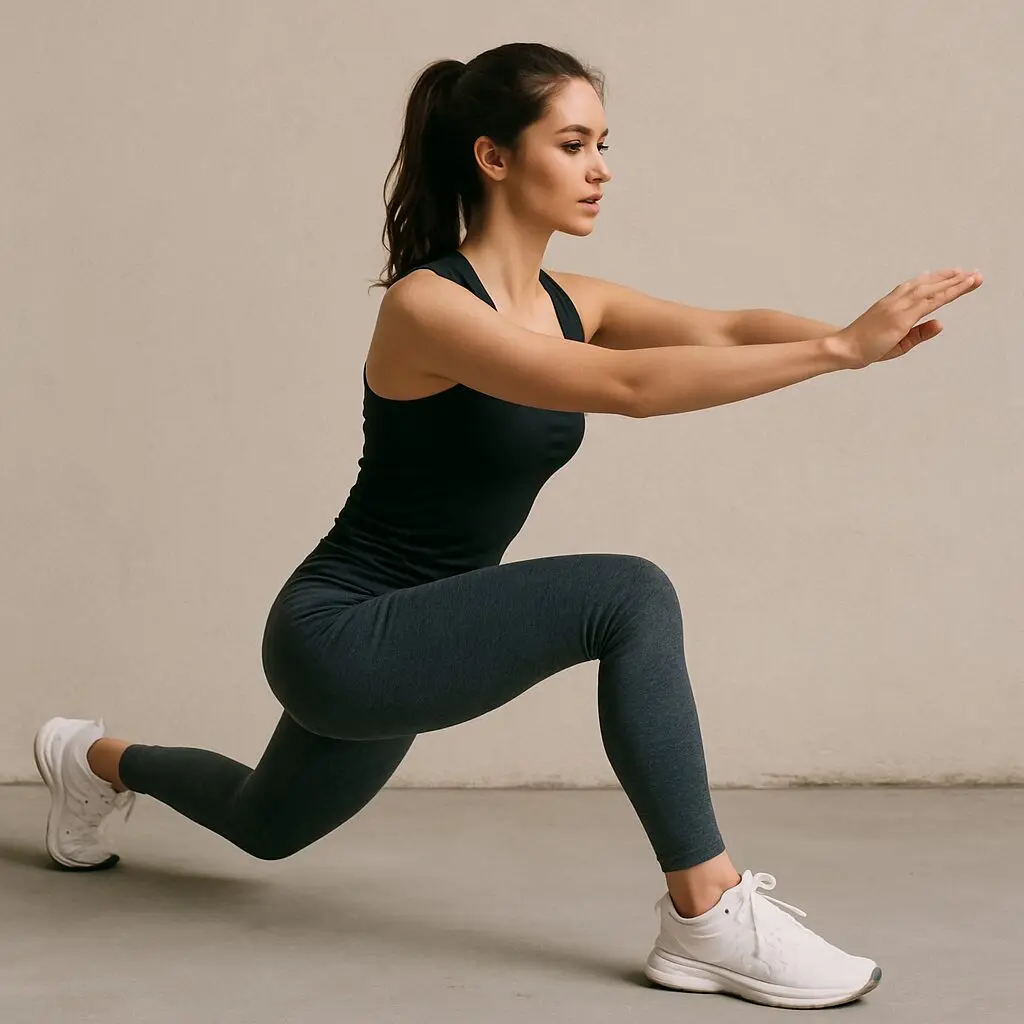
Every workout should be bookended properly. Spend 5–10 minutes on a dynamic warm-up (arm circles, bodyweight squats, walking lunges, high knees) to raise your core temperature. Afterwards, hold static stretches for hamstrings, quads, chest and shoulders for 20–30 seconds each to lower your heart rate and reduce stiffness.
1. The home haven: no gym necessary
You don't need an expensive membership. To start at home you only need a quality yoga mat, adjustable dumbbells and a few resistance bands. Perform 3 sets of each exercise, resting 60 seconds between sets:
- Bodyweight squats: 12–15 reps (glutes and quads).
- Incline push-ups: 8–12 reps using a sturdy chair (chest and triceps).
- Reverse lunges: 10 reps per leg (balance and leg strength).
- Plank: hold 20–40 seconds (core).
- Glute bridges: 15 reps (posterior chain).
2. The gym beginner: full-body strength
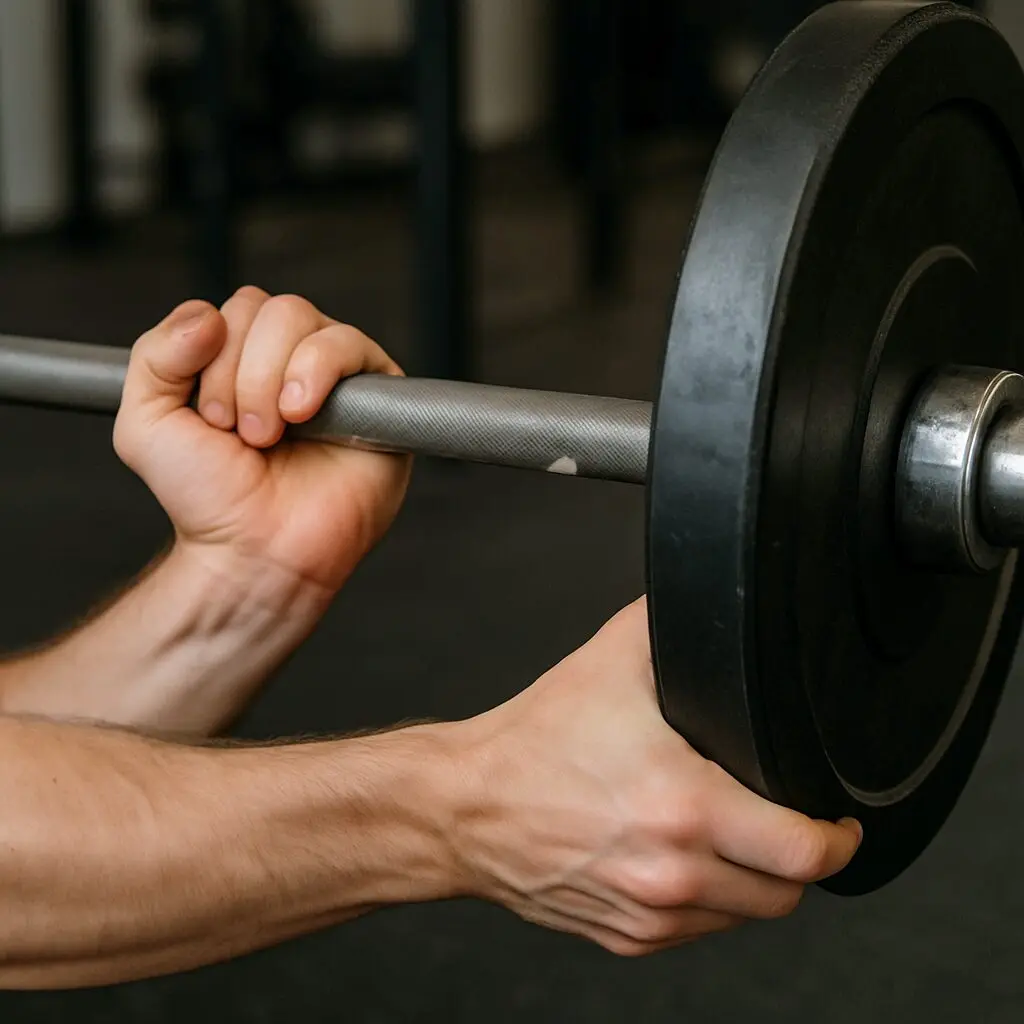
In the gym, focus on the major movement patterns: pushing, pulling, squatting and hinging. Perform this 3 days a week (e.g. Monday, Wednesday, Friday):
- Goblet squat (dumbbell): 3 × 10.
- Dumbbell Romanian deadlift: 3 × 10.
- Dumbbell bench press or chest-press machine: 3 × 10.
- Seated cable row or dumbbell row: 3 × 10.
- Overhead dumbbell press: 3 × 8–10.
3. The stamina builder: cardio basics
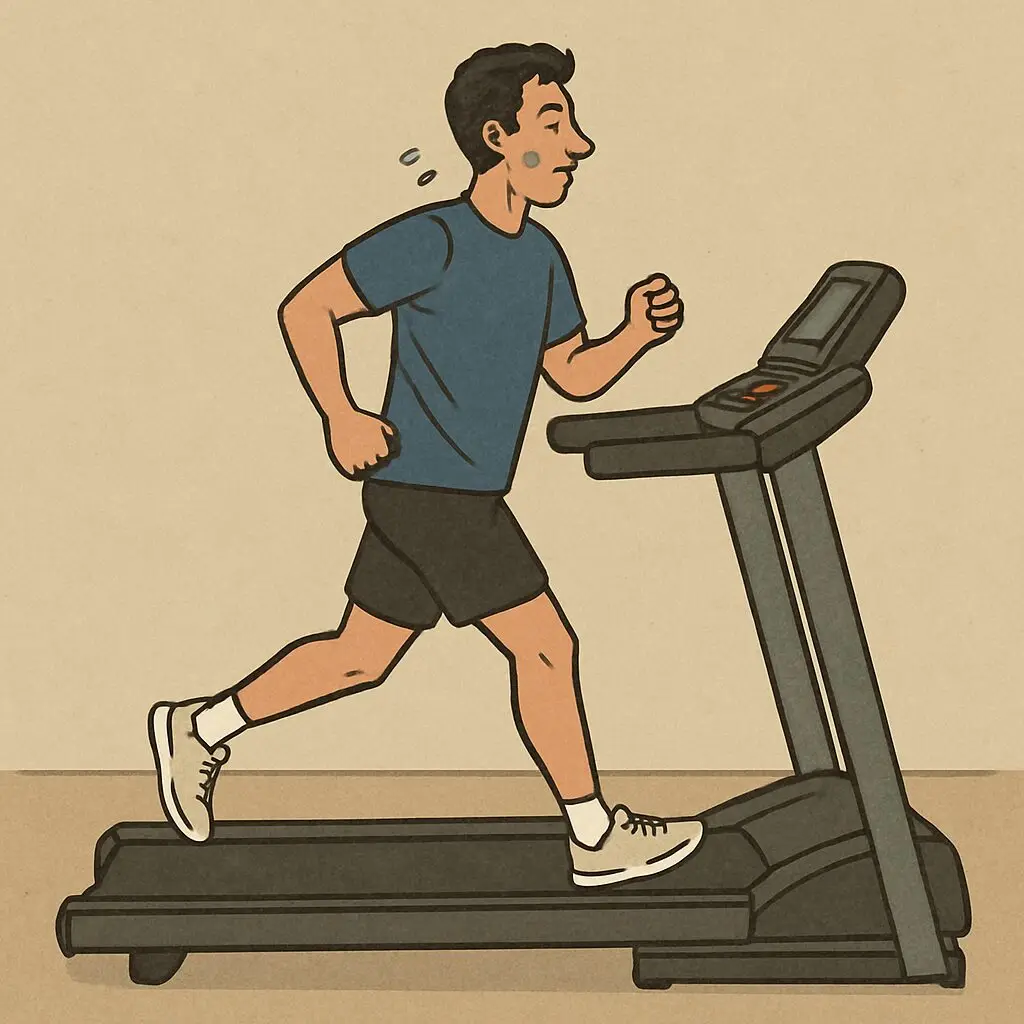
Start slow with "Zone 2" cardio — a pace where you can still hold a conversation. Try brisk incline walking, steady cycling or swimming for 20–30 minutes, two to three times a week, ideally on non-lifting days.
Mastering the mechanics
Knowing what to do is only part of it. Results come from executing each movement with good form and continuing to improve.
- Proper technique: poor form reduces results and increases injury risk. Use mirrors, watch certified coaches, or hire a trainer for a few sessions.
- Compound first: squats, deadlifts, push-ups and rows should make up ~80% of your training — they build the most strength and burn the most calories.
- Progressive overload: gradually increase weight, volume (more reps or sets), or tempo (slower, more controlled reps).
Health benefits and the power of rest
Resistance training builds strength, supports bone density and metabolic rate, and can lift your mood. But muscles grow during recovery, not during the lift. On rest days, active recovery speeds up that process without adding stress: a 20-minute restorative yoga flow, an easy walk, or light mobility work.
Common mistakes to avoid
- Ego lifting: chasing heavy weight with bad form leads to injury.
- Skipping meals: your body needs fuel to perform and recover.
- Program hopping: stick to a routine for 8–12 weeks before changing it.
- Quick wins: hydrate relentlessly, track your weights and reps, and pack your bag the night before to remove friction.
How many days a week should a beginner work out?
Three to four days is the sweet spot — enough to build strength and lose fat while still allowing recovery. Full-body routines are usually best early on.
What should my warm-up and cool-down include?
5–10 minutes of dynamic movements (arm circles, squats, walking lunges, high knees) before, and static stretches for hamstrings, quads, chest and shoulders held 20–30 seconds after.
What's the minimum equipment for effective home workouts?
A quality yoga mat, a set of adjustable dumbbells and a few resistance bands are enough to train your whole body.
How do I avoid plateaus?
Use progressive overload (add weight, add reps or sets, or slow the tempo) and keep compound movements as ~80% of your training.