How to Start at the Gym: Beginner Workouts and Tips
Walking into a gym for the first time can feel intimidating: complex machines, confident regulars, and no idea where to start. You're not alone. With a solid plan, those first visits become far less overwhelming. This guide covers everything from finding the right facility to learning the top 10 workouts for newcomers.
Step 1: finding your perfect fitness home
Results come from turning up regularly, and the easier your gym is to reach, the more likely you are to go. Prioritise convenience first: pick a location on your daily route, and consider 24/7 access if your hours are irregular.
Decide between a commercial club (vast equipment and amenities) and a boutique studio (specialised, intimate classes). Both can work — choose the one that fits your routine and goals.
Step 2: preparing for your first session
Preparation kills anxiety. Knowing exactly what to bring takes much of the stress out of your first session:
- A reusable water bottle.
- A microfiber sweat towel.
- A secure padlock for the locker room.
- Comfortable, supportive athletic shoes.
- Wireless headphones for your playlist.
Learn the unwritten etiquette too: wipe down equipment after use, re-rack your weights, and don't hog machines while scrolling your phone. On the floor you'll see free weights and resistance machines. Machines guide your motion and are great for learning, while free weights build balance and recruit stabilisers. A balanced routine uses both.
Step 3: setting the foundation
Aim for three to four structured sessions a week. Set realistic goals you can keep working toward for months, and lean on the progressive overload principle: gradually increase weight, frequency or reps to keep challenging your muscles.
The top 10 gym workouts for beginners
This routine focuses on functional movement patterns that build practical, real-world strength. Remember: proper form matters far more than the weight on the bar.
- Treadmill incline walk (warm-up): 3.0–3.5 mph at a 5–8% incline; don't hold the handrails.
- Goblet squats: hold a dumbbell at your chest, push your hips back, and keep your chest up.
- Machine chest press: align the handles with your mid-chest and squeeze your shoulder blades together.
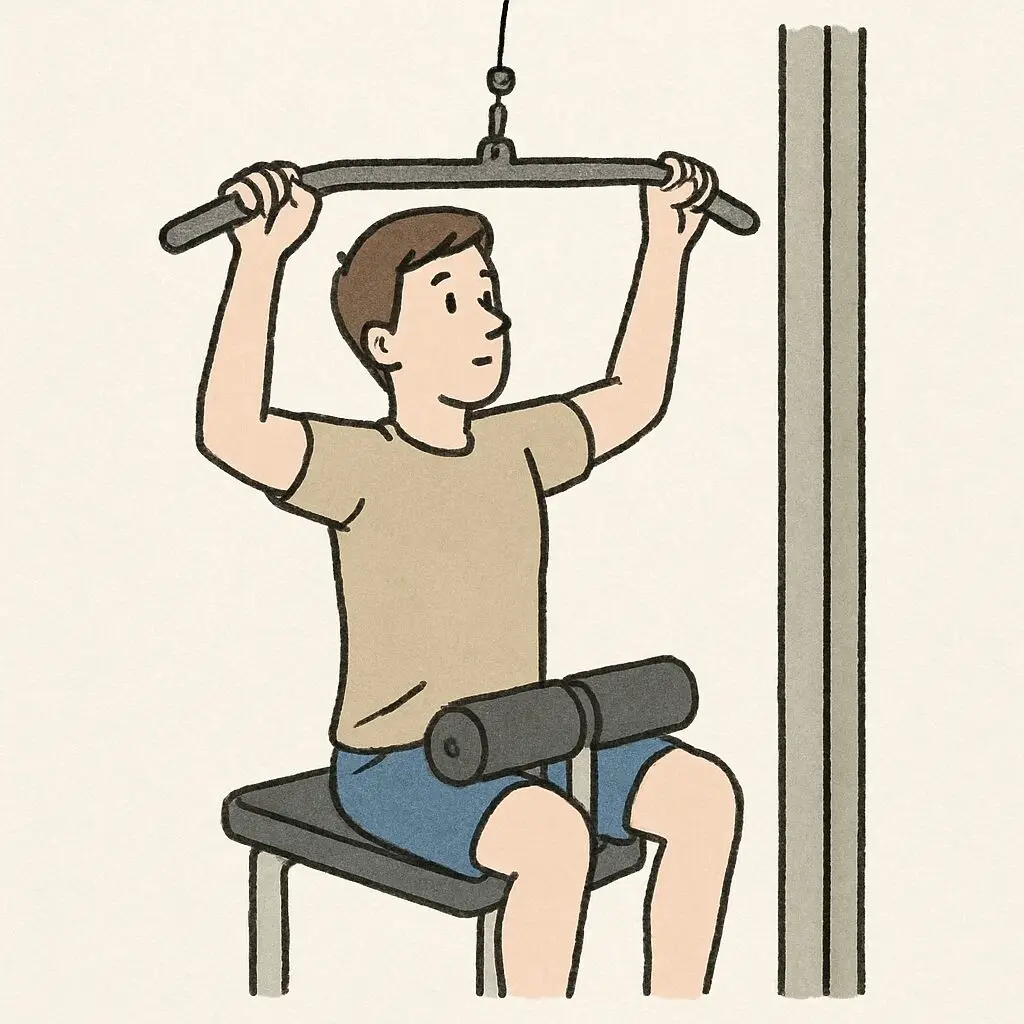
- Lat pulldown: pull the wide bar to your upper chest without yanking with momentum.
- Dumbbell walking lunges: keep your torso upright; start with reverse lunges if balance is hard.
- Seated cable rows: sit tall, pull to your belly button, and don't round your lower back.
- Leg press: feet shoulder-width, lower to 90° and never lock out your knees at the top.
- Forearm plank: straight line from head to heels; brace your core and hold 20–30 seconds.
- Stationary bike or rower (finisher): 10–15 minutes at a moderate, conversational pace.
- The guided circuit: if a routine feels daunting, join a circuit class and tell the instructor it's your first day.
Amenities and recovery
The best gym for you might offer more than treadmills. Recovery is vital, and aquatic training is one of the best ways to soothe sore muscles and build low-impact endurance. If you love the water, factor a pool into your search: swimming laps is excellent, joint-friendly cardio.
The long-term vision: why we train
Regular exercise is linked in research with better mood and lower stress, and that hour is dedicated entirely to your well-being. As we age we lose muscle and bone density, and strength training is one of the main ways guidelines recommend to slow that decline and stay mobile and independent; anyone with a mental-health or medical condition should talk to their doctor about what suits them.
I feel anxious about going to the gym — how do I start with confidence?
Preparation reduces anxiety. Choose a convenient gym, pack your essentials ahead of time, learn basic etiquette, and begin with beginner-friendly machines and a simple warm-up. A circuit class is a good low-pressure option; tell the instructor it's your first day.
How often should a beginner work out each week?
Aim for three to four structured sessions a week. That is enough to build fitness while leaving room for recovery. Progress with the progressive overload principle.
What should I look for when choosing a gym?
Prioritise convenience and fit. Pick a location on your route, consider 24/7 access, and decide between a commercial club (more equipment) and a boutique studio (specialised classes). A pool is a bonus for recovery.
Are machines or free weights better for beginners?
Use both. Machines guide your motion and are great for learning the movement; free weights build balance and recruit stabilisers. Emphasise controlled form over heavy weight.