Top 5 Biceps Exercises for Beginners
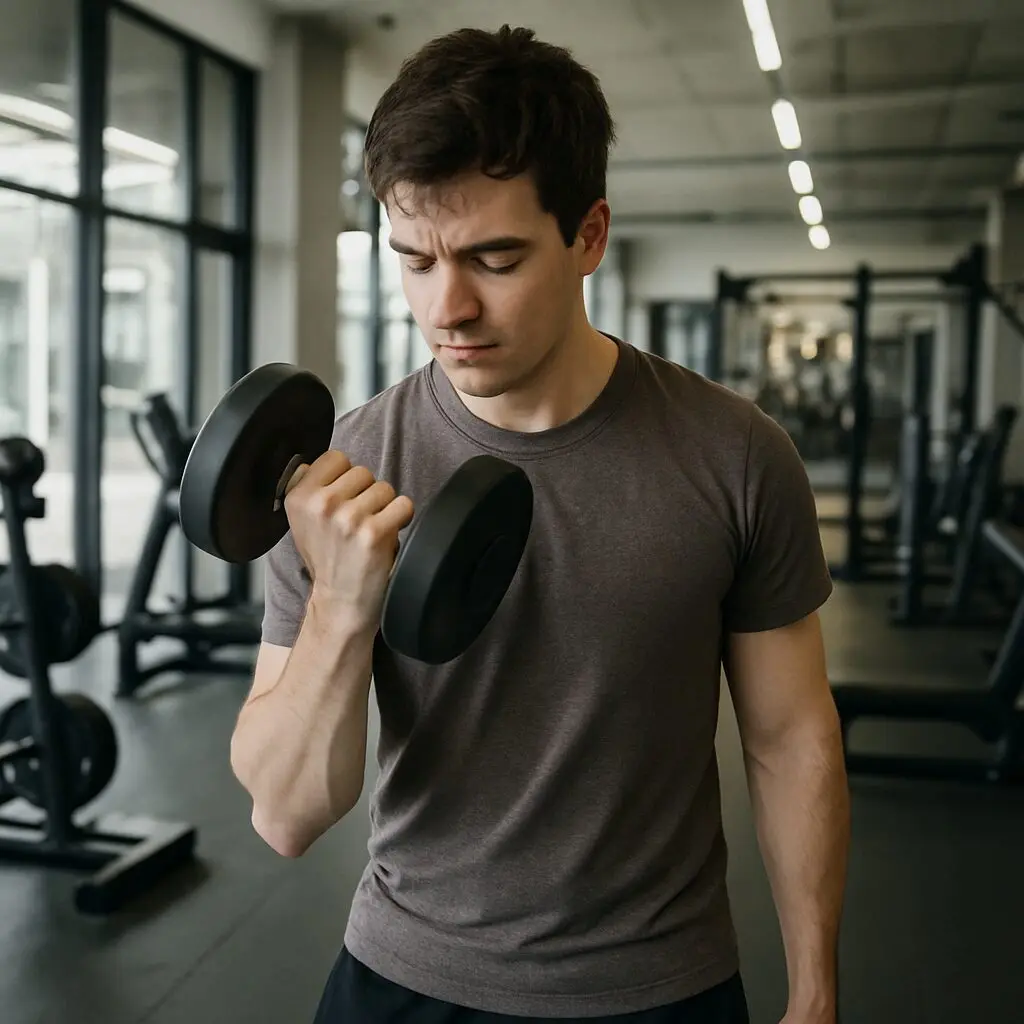
When you first step into the gym, building strong, defined arms is often top of the list. Learning the fundamental biceps exercises for beginners properly sets you up for a lifetime of effective, well-controlled lifting. You don't need complex machines, just a solid understanding of muscle mechanics, proper form and consistency. Below are the five best movements, the anatomy behind them, and the training tips that actually drive arm growth.
Understanding bicep anatomy
The term "biceps" refers to the biceps brachii, a two-headed muscle on the front of your upper arm. For strong arms, you need to train more than the two main heads.
- The short head: the inner part of the arm, adding width and thickness.
- The long head: the outer part of the arm, creating the coveted bicep "peak".
- The brachialis: sits under the biceps and pushes it upward as it grows, making the arm look thicker.
- The brachioradialis: the prominent forearm muscle that crosses the elbow, heavily used in neutral and overhand curls.
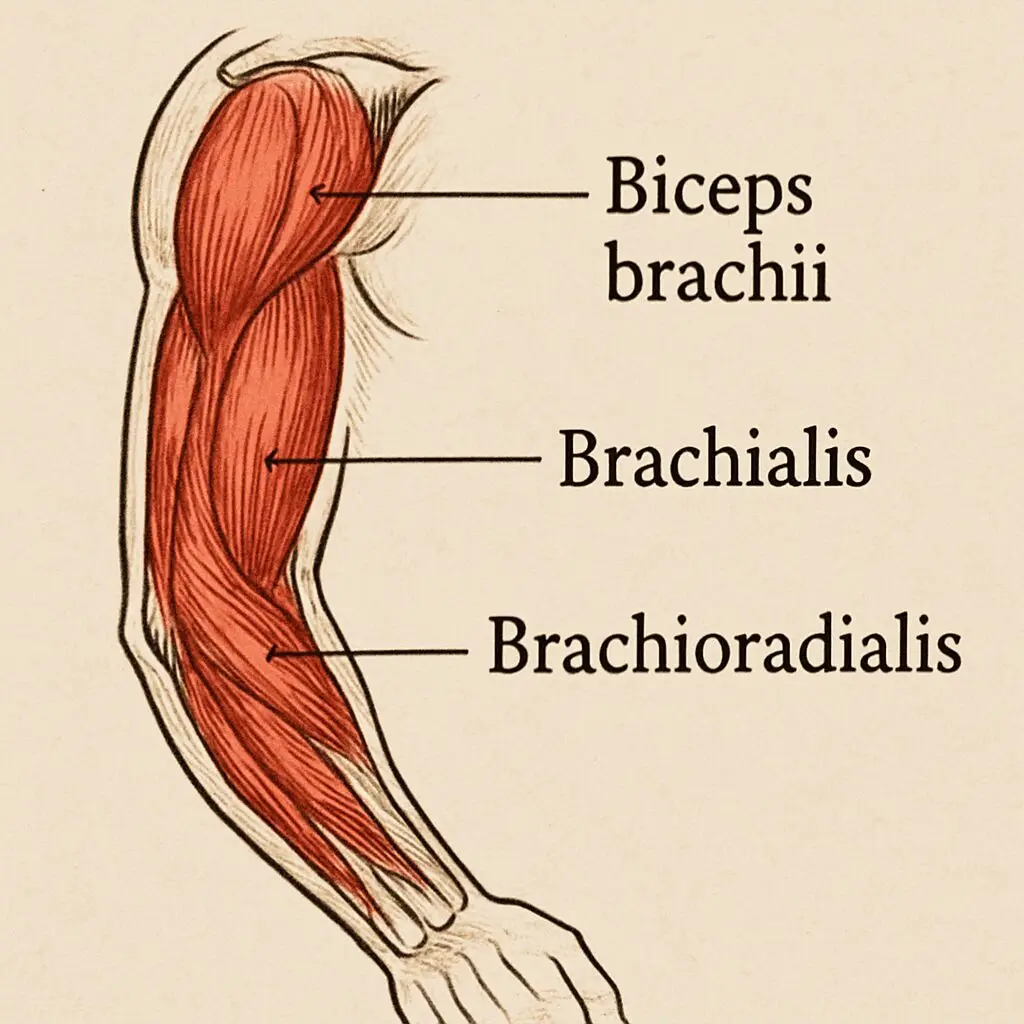
Visualising these muscles contracting and lengthening is the first step in improving your mind-muscle connection and recruiting more fibres during every rep.
1. The standard dumbbell bicep curl
The dumbbell curl is the most accessible movement for beginners: it needs minimal equipment, allows natural wrist movement and targets both heads of the biceps brachii.
- Stance: stand tall, feet shoulder-width, a dumbbell in each hand, elbows close to your torso.
- Grip: rotate your palms to face forward (supinated grip).
- Curl: keep your upper arms still, exhale and curl the weights until your biceps are fully contracted.
- Squeeze: pause and squeeze hard at the top.
- Descent: inhale and lower slowly under control.
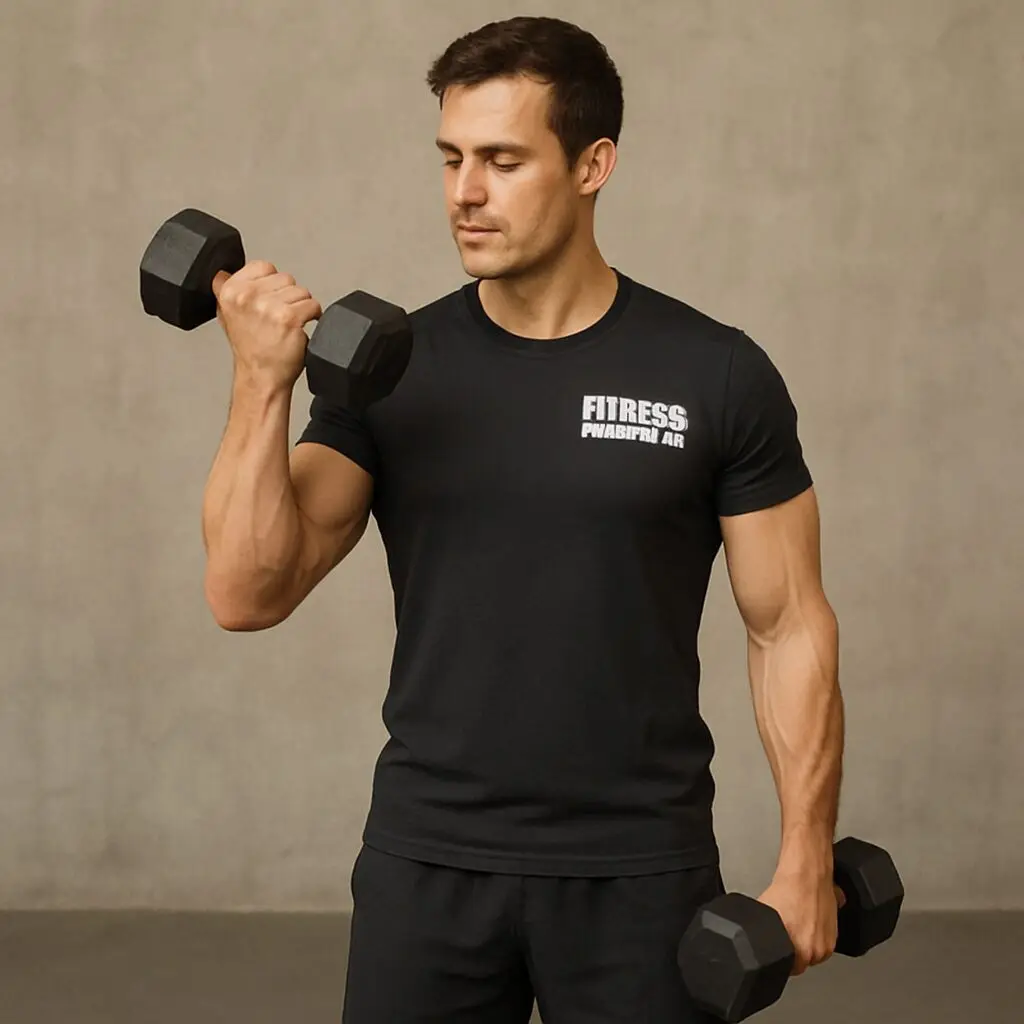
Standing curls require more core stabilisation and allow a little momentum as you fatigue; seated curls strictly isolate the bicep. Beginners should practise both.
2. The hammer curl
For thicker arms, you can't ignore the hammer curl. The neutral (palms-facing) grip shifts emphasis to the brachialis and brachioradialis underneath the biceps.
- Let your arms hang at your sides, palms facing your torso.
- Keep your elbows locked at your sides and curl forward, palms facing each other — like swinging a hammer.
- Curl until the dumbbell is near shoulder level, then lower slowly under control.
3. The barbell bicep curl
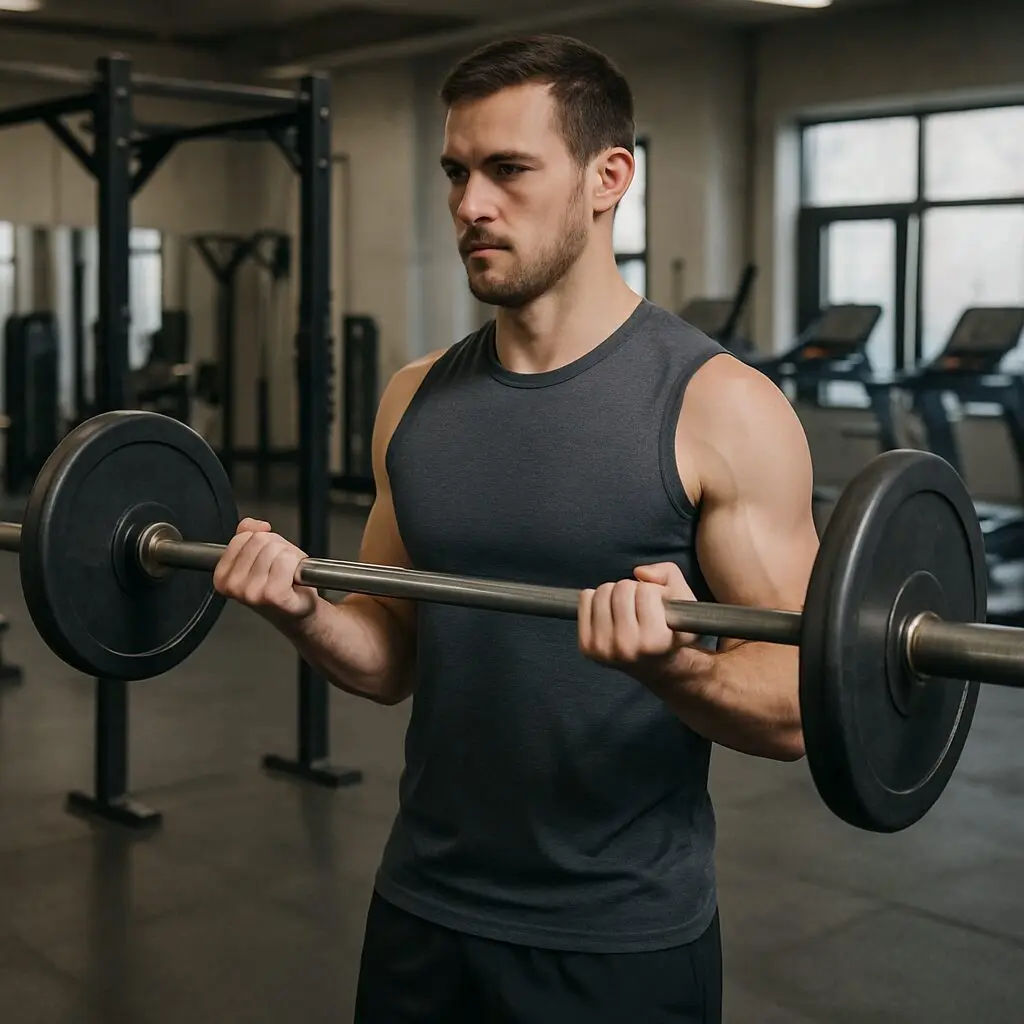
For moving heavier loads and triggering overall growth, the barbell curl is a staple because it makes progressive overload easy.
- Stand tall holding a barbell with a supinated (palms-up) grip.
- Grip width matters: a shoulder-width grip balances the load; wider targets the inner head, narrower the outer head. Beginners should stay shoulder-width.
- Keep your chest up and elbows pinned to your sides, then curl in a smooth arc.
- Lower slowly, resisting gravity until your arms are fully extended.
4. Resistance band bicep curls
Bands are an excellent alternative when free weights aren't available, and among the best equipment for home arm workouts. They provide ascending resistance (the exercise gets harder toward the top), which gives a strong peak contraction.
- Stand on the middle of the band, feet shoulder-width, holding the handles with a palms-up grip.
- Curl up against the band's resistance, squeeze at the top, and lower slowly.
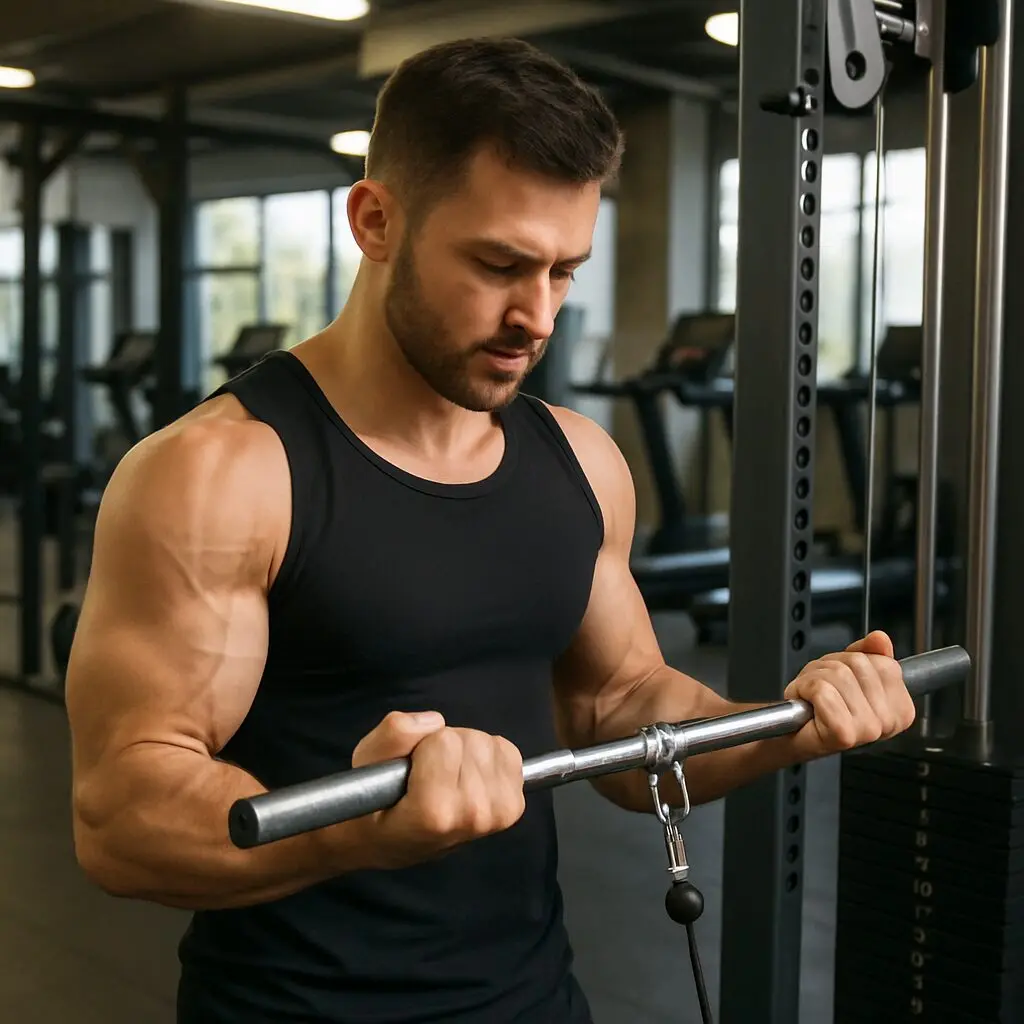
5. The cable curl
Cables keep constant tension on the biceps through the full range of motion, which dumbbells lose at the bottom.
- Attach a straight bar or rope to the lowest pulley and grasp with an underhand grip.
- Step back to create tension, keep your elbows stationary, and curl toward your chest.
- Lower in a controlled manner until your arms are fully extended.
Designing a beginner biceps workout
Smaller isolation muscles like the biceps respond best to moderate-to-high rep ranges. Structure your movements like this:
- Aim for 8–15 repetitions per set.
- Perform 3–4 sets per exercise.
- Train biceps 2–3 times a week with at least 48 hours of rest between dedicated arm sessions.
Training tips that drive growth
- Full range of motion: fully extend at the bottom and curl all the way up. The stretch under load is a primary driver of growth — avoid half-reps.
- Slow eccentrics: take ~1 second up, pause 1 second, and 3 seconds to lower. Time under tension builds arms faster.
- Stop swinging: strict form beats heavier weight you can only heave with your back.
- Mind-muscle connection: practise hard flexes without weights, and feel the muscle contract on every rep.
How often should I train my biceps?
For most beginners, 2 to 3 times a week is optimal. The biceps are a small muscle group and recover quickly, but keep at least 48 hours between dedicated arm sessions.
Do I need supplements to build my biceps?
No. Protein powder or creatine can help, but whole foods, progressive overload and consistent sleep account for around 95% of your results.
Can I build my biceps at home with just bands and dumbbells?
Yes. Bands give ascending resistance and a strong peak contraction; dumbbells allow natural wrist movement. Do 3–4 sets of 8–15 reps, rest 60–90 seconds, and progress over time with stronger bands, more reps, or stricter form.
Should I train biceps with chest or back as a beginner?
Pairing biceps with chest works well — chest day mainly fatigues triceps and shoulders, leaving your biceps fresh for curls. Any split can work; just keep 48 hours between dedicated arm sessions.