How Often Should You Do Pilates? A Weekly Frequency Guide
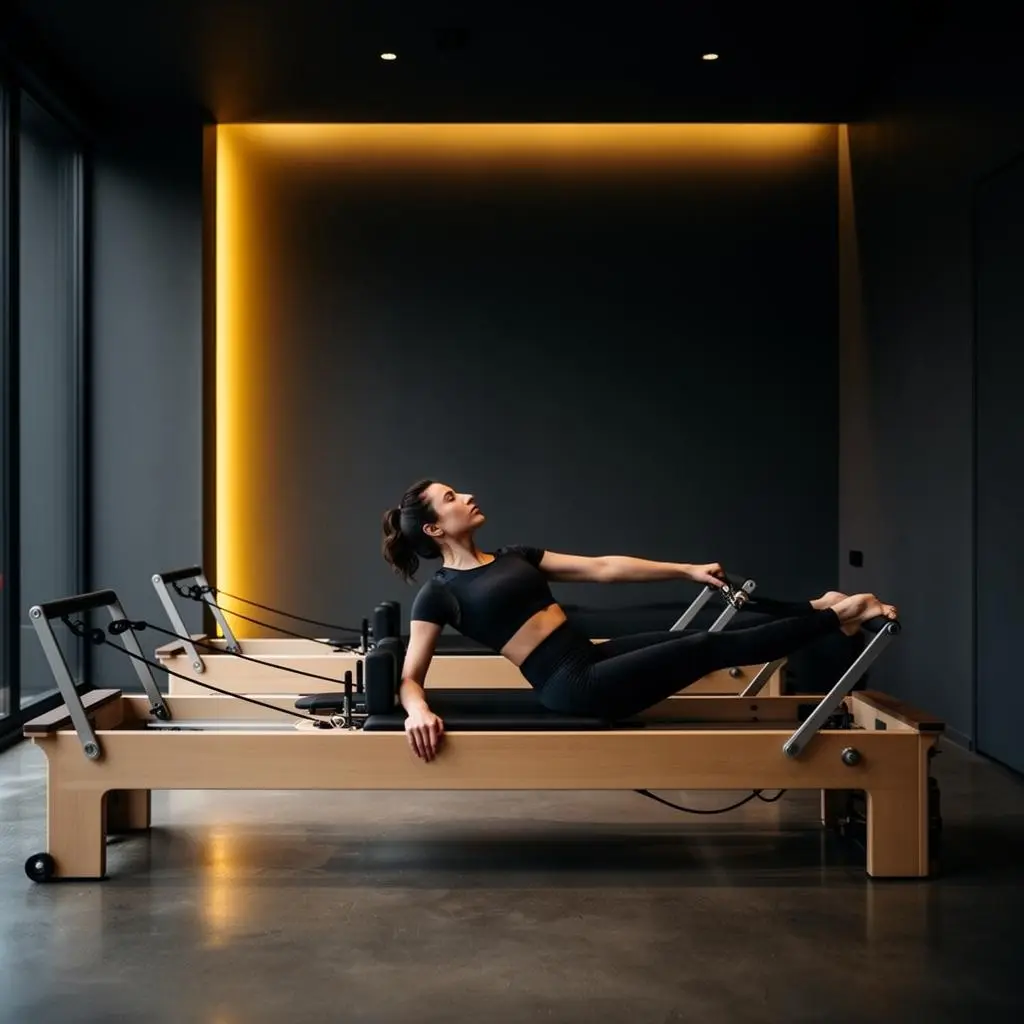
There's a useful rule for Pilates frequency: once a week to maintain, twice to improve, three times to transform.
There is a simple, useful rule for how often you should do Pilates: once a week to maintain, twice to improve, three times to transform. But the right answer for you depends on your goal, your other training and what you can realistically sustain. Here is how to choose your frequency.
The simple rule of thumb
If you remember nothing else, remember this: one session a week maintains, two improves, and three transforms. It is a rough guide rather than a law, but it captures the real relationship between Pilates frequency and results. More sessions mean faster change, up to the point where recovery and life get in the way.
The trick is matching the frequency to what you actually want and can keep up — because a sustainable two sessions a week beats an ambitious four sessions you abandon after a month.
Once a week — maintenance
One reformer session a week is enough to maintain mobility, posture awareness and core engagement. This is the right dose if you are already lifting or running on other days and want Pilates to keep your movement quality, hips and spine healthy without adding much time.
At this frequency you will hold onto the benefits you have built and keep the deep core switched on, but you should not expect dramatic new change. Think of it as quality control for an active body rather than a transformation programme.
Twice a week — improvement
Two sessions a week is the sweet spot for most people, and the frequency we recommend most often. It is enough for visible postural change, stronger obliques and deep hip stabilisers, and meaningful carryover to strength-floor lifts like the squat and deadlift. The twice-weekly rhythm gives the body enough repetition to re-pattern movement while still being easy to fit around work and other training.
If you are unsure where to start, start here. Two reformer sessions a week, held consistently for two to three months, produce changes most people can see and feel.
Three times a week — transformation
Three sessions a week, especially when you mix reformer, cadillac and mat, will genuinely reshape how you stand and move within eight to twelve weeks. This is what our most-improved members tend to do, usually alongside a strength programme. The variety across the three pieces of equipment means you cover strength, mobility, spinal control and decompression comprehensively.
Three is the frequency for people with a specific goal and the time to chase it — fixing long-standing posture issues, rebuilding after pregnancy, or pursuing a level of control and strength beyond general fitness.
How Pilates frequency interacts with other training
Your ideal Pilates frequency is not set in isolation; it depends on the rest of your week. If you lift heavy three times a week, one or two Pilates sessions complement that perfectly without overloading you. If Pilates is your main form of movement, three sessions becomes the engine of your fitness rather than a supplement.
A common, well-balanced week looks like two strength sessions and two Pilates sessions, with the remaining days for walking, conditioning or rest. That structure gives you strength, movement quality and recovery without any one element crowding out the others.
Beginners: start lower and build
If you are completely new, do not jump straight to three sessions a week. Start with two, focus entirely on learning technique, and let your body adapt to the new demand. The deep stabilising muscles Pilates targets are often under-used, and they need a few weeks to wake up. Adding frequency before the technique is grooved just builds bad patterns faster.
Once two sessions a week feel automatic and your form is solid, you can add a third if your goal calls for it. Progression in frequency should follow competence, not impatience.
Signs you are doing too much or too little
Too little looks like no change over months despite attending — usually a sign to add a session or increase intensity within sessions. Too much, which is rare with Pilates because of its controlled nature, looks like persistent fatigue or nagging joints, usually because Pilates is stacked on top of heavy training without enough recovery. Adjust by frequency first, then by intensity, and let how you feel and how you are progressing guide the dial.
How RPM structures it
At RPM, Engine and Atelier members can attend unlimited Pilates classes in the Ladies studio, which means frequency is a choice rather than a cost constraint. Coach Giana helps members set a frequency that matches their goal and their other training, and adjusts it as they progress. Because strength and recovery sit under the same roof, it is easy to build the balanced two-strength-two-Pilates week that suits most members.
The bottom line
Pick the frequency you will actually keep up. Once a week maintains, twice improves, three times transforms — and for most people, two reformer sessions a week is the frequency that is both sustainable and genuinely transformative. Start there, hold it consistently, and adjust up only when your goal and your technique are ready.