Pilates During Pregnancy in Abu Dhabi: What's Safe by Trimester
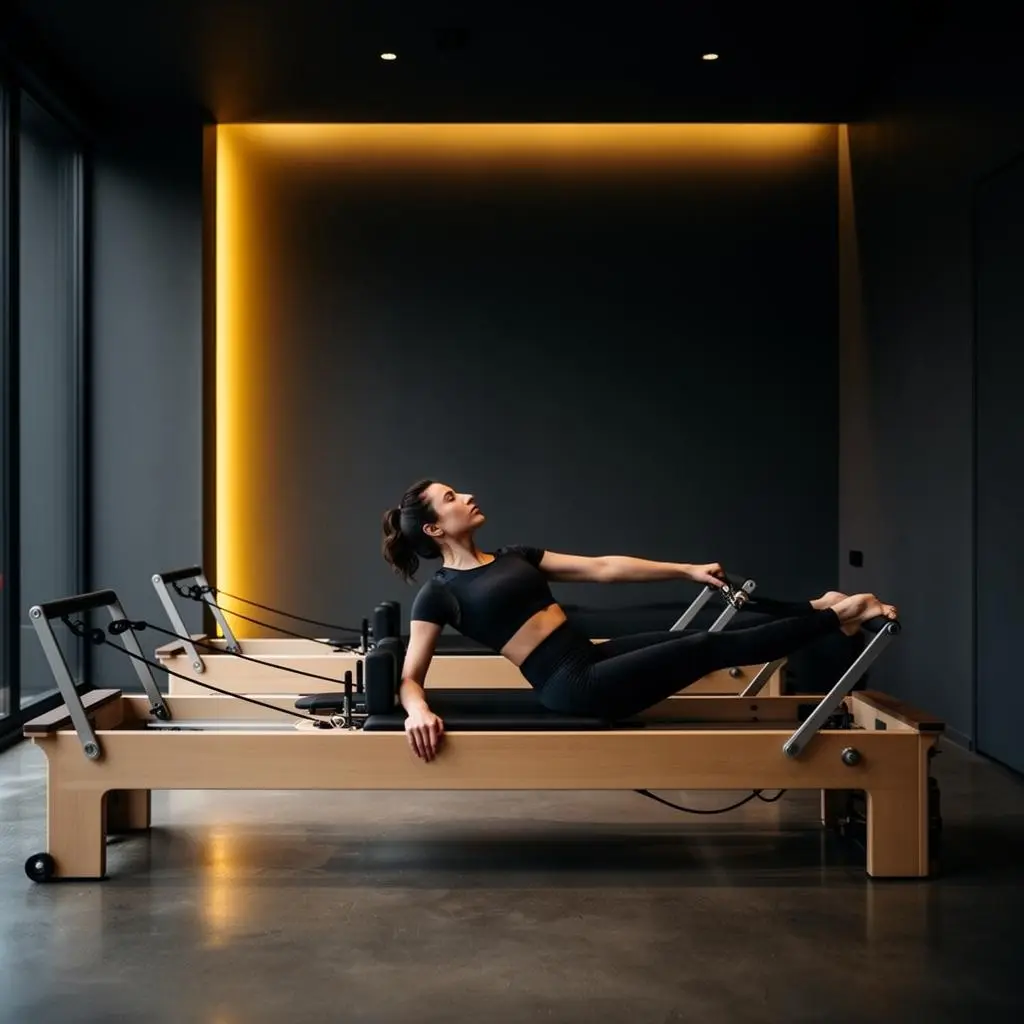
Pre/postnatal Pilates in Abu Dhabi is a specialist service. Done with a qualified instructor it eases pelvic-floor, lower-back and posture issues — the three biggest complaints in pregnancy.
Pilates during pregnancy is one of the most recommended forms of movement for expectant mothers, and in Abu Dhabi it is increasingly offered as a specialist service. Done with a qualified instructor, it eases the three biggest physical complaints of pregnancy — pelvic-floor pressure, lower-back pain and posture changes. Here is what is safe, and what helps, in each trimester.
Why Pilates suits pregnancy
Pregnancy places specific, predictable demands on the body: the growing bump shifts your centre of gravity, the pelvic floor takes increasing load, posture changes as the spine adjusts, and the deep core gradually lengthens and weakens. Pilates is unusually well suited to all of this because it trains exactly those structures — the deep core, the pelvic floor, breathing and postural control — gently and with precise control rather than impact or heavy load.
Reformer Pilates is especially useful in pregnancy because the spring assistance can reduce strain and support positions that become uncomfortable as the bump grows. The key word throughout, though, is qualified: prenatal Pilates is a genuine specialism, and the modifications matter.
First trimester
In the first trimester, most women can continue the majority of Pilates movements with two adjustments: a focus on breath, and a modest reduction in intensity. This is the time to build or maintain a foundation of breathing mechanics and gentle core control that will serve you through the later trimesters.
The main caution is to avoid prone (face-down) work after around week twelve, unless it is specifically modified. Beyond that, listen to your energy levels, which can fluctuate considerably in early pregnancy, and let the instructor scale the session to how you feel that day.
Second trimester
As the bump grows, the main change is avoiding supine (flat on your back) work once you notice any dizziness lying down — a sign of pressure on a major vein. Instead, the work moves to side-lying and inclined positions, which keep you comfortable and safe. This is where the reformer earns its place: the spring assistance reduces strain and lets you keep training the deep core and hips in supported, inclined positions.
The second trimester is often the most comfortable, energetic phase, and a good time to maintain strength and mobility within these modifications.
Third trimester
In the third trimester the goal shifts to maintenance rather than progression: breath, pelvic-floor awareness, posture and gentle mobility. Avoid maximal effort and any movement that requires deep abdominal bracing, which is not appropriate as the abdominal wall stretches. In the final weeks, birth-preparation breathing is often added, helping you connect with and relax the pelvic floor in a way that supports labour.
Comfort and confidence are the priorities here. The aim is to arrive at birth mobile, aware of your breath and pelvic floor, and free of unnecessary stiffness.
Postnatal: rebuilding safely
After birth, wait for your six-week medical clearance before restarting (longer after a caesarean, on medical advice). Then restart gently, beginning with breath, deep-core reactivation and pelvic-floor work before any heavier load. This phase is about reconnecting with the muscles that stretched and weakened during pregnancy, in the right order, before progressing.
Rushing back into heavy core work too soon is a common mistake that can worsen issues like abdominal separation. A qualified instructor guides the reactivation safely and progresses you only when the foundation is back.
The role of a qualified instructor
The single most important factor in pregnancy Pilates is the instructor's qualification. Prenatal and postnatal training is a specialism with its own rules, and the modifications across trimesters are not optional. A qualified instructor knows what to avoid and when, how to adapt the reformer for each stage, and how to rebuild safely afterwards. RPM's Pilates instructor works with members through all four phases — the three trimesters and the postnatal return — which keeps the programming consistent and safe from start to finish.
Always coordinate with your healthcare provider
Pilates complements, but does not replace, your medical care during pregnancy. Always train within the guidance of your doctor or midwife, get clearance before starting and before returning postnatally, and stop and seek advice if anything feels wrong. A good instructor will work alongside that medical guidance, never against it.
The bottom line
Pilates during pregnancy is not regular Pilates — it is a specialism with specific modifications in every trimester. Done with a qualified instructor and within your doctor's guidance, it eases back, hip and pelvic-floor issues and prepares you for birth and recovery. Continue mindfully in the first trimester, switch to side-lying and inclined work in the second, maintain and prepare in the third, and rebuild gently postnatally — and your back, hips and pelvic floor will thank you.