Pre-Workout Supplements: Ingredients, Safety & What to Know
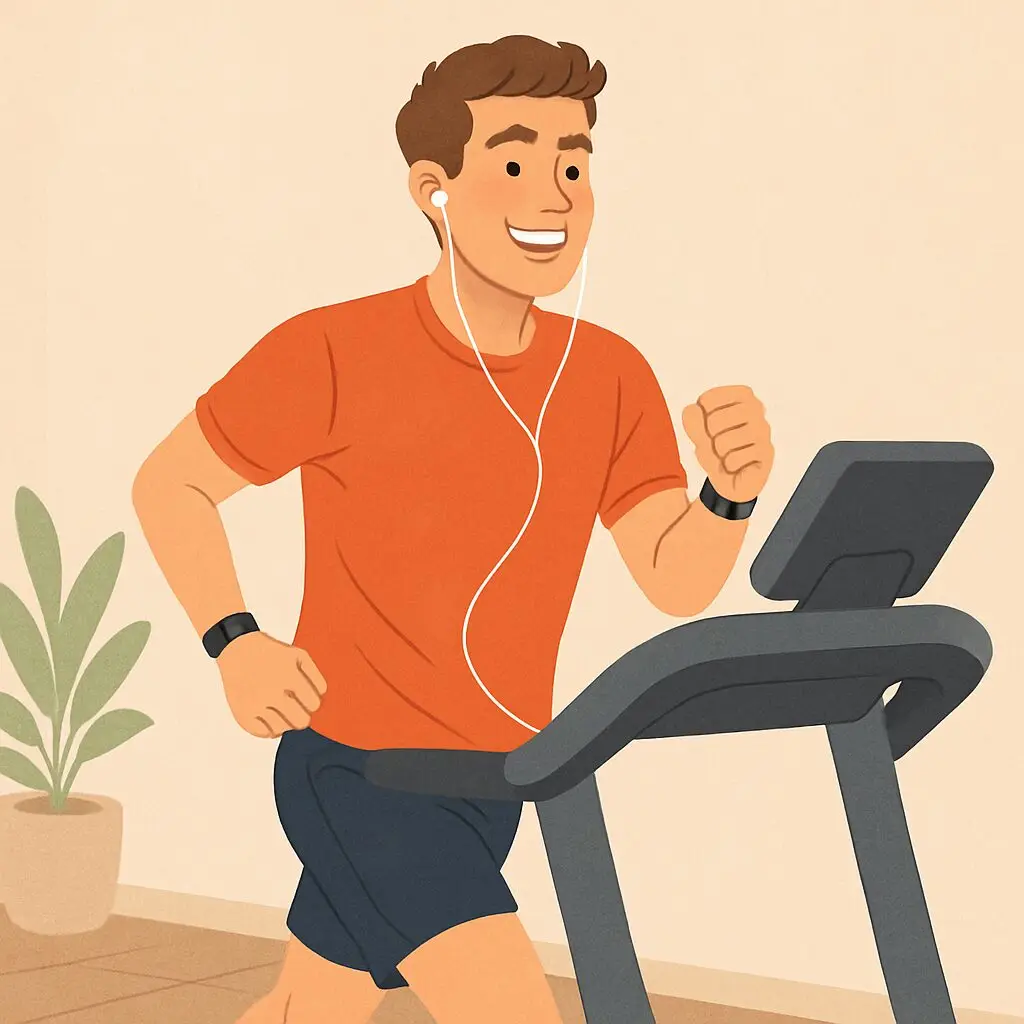
It's 5pm, your workday is over, and the couch is calling louder than your running shoes. Getting from there to the gym floor often takes an extra push, and some people reach for a pre-workout supplement. These products are tools at most, never a replacement for sleep or food, and the evidence differs from one ingredient to the next. This guide covers what is on the label and what to check before you use one. RPM does not sell or recommend any supplement product.
The big four: decoding the label
Instead of getting lost in unpronounceable words, look for the ingredients that appear on most labels and what the research says about each:
- Caffeine: the main stimulant in most pre-workouts. It can raise alertness and make hard efforts feel easier.
- Beta-alanine: studied for high-intensity efforts lasting roughly one to four minutes. It commonly causes a tingling skin sensation (explained below).
- Citrulline malate: studied for its effect on blood flow; results for performance are mixed.
- Creatine: one of the most studied supplements for strength and power. Studies commonly use 3 to 5 grams of creatine monohydrate a day.
Gentle beginnings: what to check as a first-timer
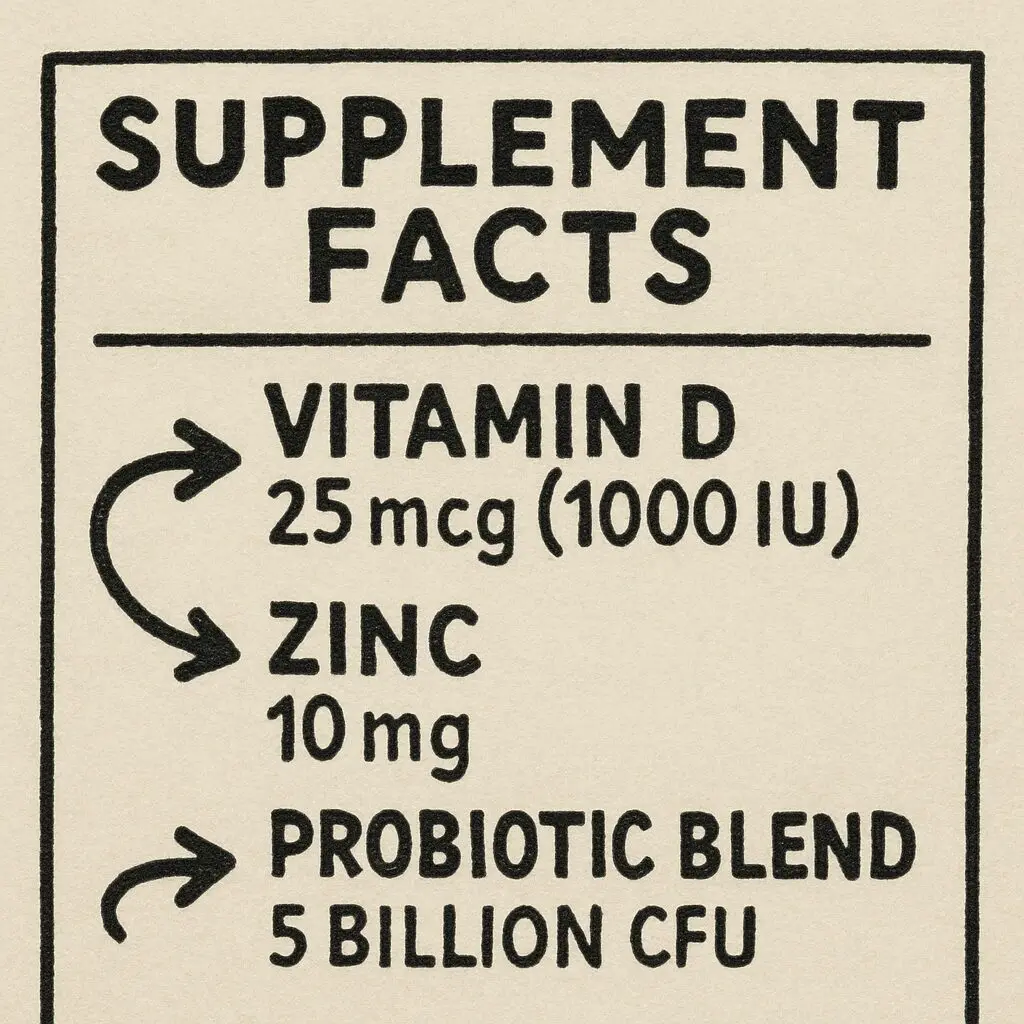
If stimulants make you jittery, look at the caffeine figure first. 100–150 mg is roughly the caffeine in one large coffee, and many pre-workouts contain much more per scoop. Choose a transparent label over a "proprietary blend" so you can see exact amounts, and check it for added sugar.
High-stimulant formulas
Some formulas add L-tyrosine or similar compounds marketed for focus, often alongside a high dose of caffeine. Add up the caffeine you take in a day, including coffee and energy drinks. The US FDA cites 400 mg a day as an amount not generally associated with negative effects in healthy adults; people who are pregnant, have a heart condition or are sensitive to caffeine are advised to have less.
The evening hustle: caffeine-free alternatives
Training at 7pm? Caffeine late in the day can disturb your sleep. Stimulant-free pre-workouts usually rely on ingredients such as citrulline instead, and their effect is smaller and less consistent than caffeine's.
Endurance and muscle pump: long cardio and lifting
Hitting a wall 30 minutes in is often a sign that you need fuel or fluid. For long sessions, water, electrolytes and a meal or snack beforehand usually matter more than any powder, and in an Abu Dhabi summer hydration comes first.
Why does my skin itch? Beta-alanine explained
That prickly "ants on skin" feeling is paresthesia, a common and usually short-lived effect of beta-alanine. Taking a smaller amount, or sipping the drink slowly, often reduces it. Stop and seek medical advice if it comes with any other symptom, such as a rash, swelling or difficulty breathing.
Powder vs canned energy drinks
Cans are convenient but often cost more per serving, and some contain a lot of sugar. Powders vary just as much: read the label for sugar, caffeine and anything listed only as part of a blend.
The 30-minute rule: timing your scoop
Caffeine usually takes 30 to 60 minutes to reach its peak in the blood, which is why many people take a pre-workout about 30 minutes before training rather than in the car park.
- −45m (mix): combine powder and water.
- −30m (sip): drink steadily rather than gulping.
- 0m (start): begin training.
- +60m (hydrate): drink plain water to replace sweat.
Caffeine tolerance builds with regular use. Some people take a break of a couple of weeks after several weeks of regular use; never respond to tolerance by doubling the dose.
Before you use any supplement
RPM does not sell or recommend any supplement product. If you use one, check that it is registered for sale in the UAE, and speak to a doctor or pharmacist first if you are pregnant, have a heart condition or take medication. If your heart races or you feel unwell after a dose, stop and seek medical advice.
Do I really need a pre-workout, or will coffee do?
Coffee is the most common source of caffeine, and for many people it does the same job. Pre-workouts add other ingredients, such as citrulline or beta-alanine, whose effects are smaller and vary from person to person. Neither replaces sleep or food.
How do powders compare to canned energy drinks?
It depends on the product. Powders are often cheaper per serving, but sugar and caffeine content vary widely between products, so compare the labels.
I'm new and hate jitters — where should I start?
Choose a label that states the caffeine amount clearly and start with a small amount. If you are pregnant, have a heart condition or take medication, speak to a doctor or pharmacist before using one.
How should I time and cycle my scoop?
Many people take it about 30 minutes before training. Some take a break of a couple of weeks after several weeks of regular use to limit caffeine tolerance. If your heart races or you feel unwell, stop and seek medical advice.