Best Post-Workout Meals for Recovery
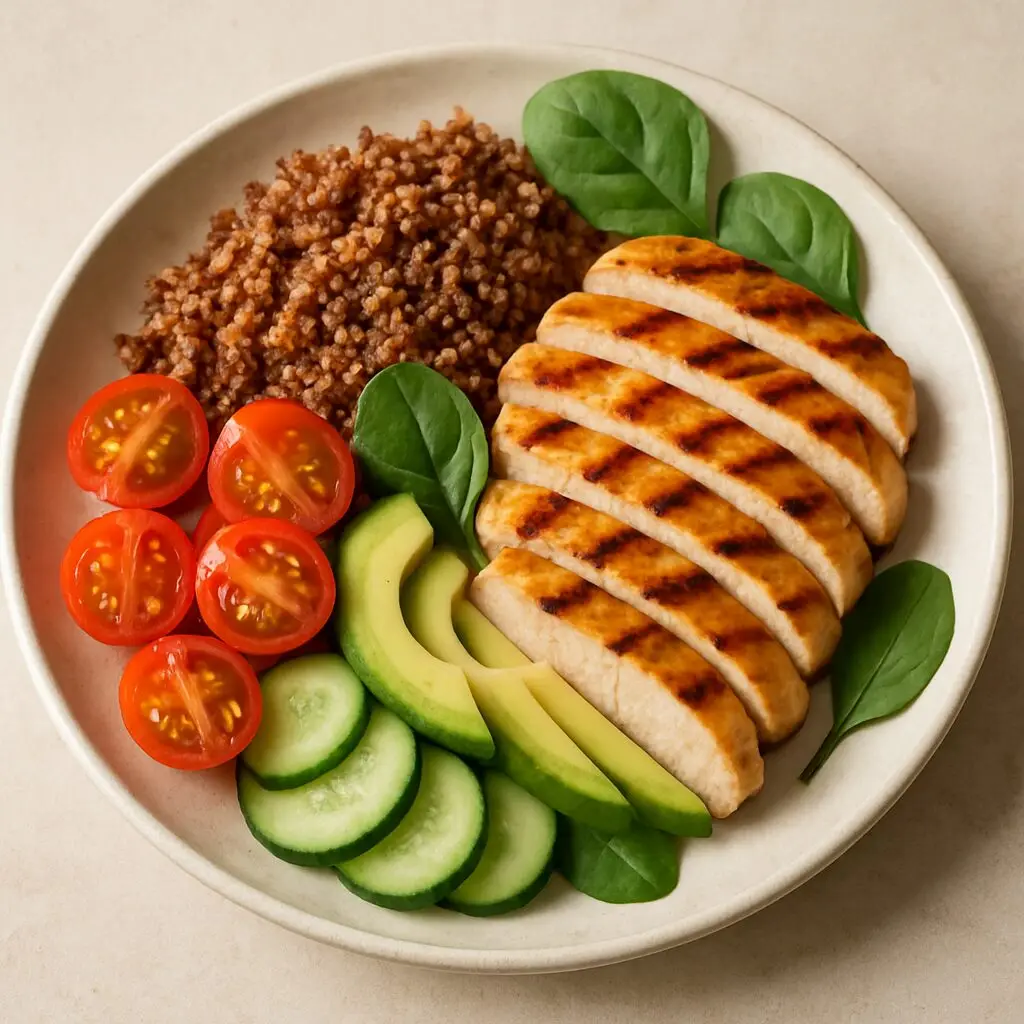
Your session is done, but the work isn't over. What you eat in the hours after training matters as much as the effort itself: it repairs muscle, restores energy and brings you back stronger. This guide covers the science of post-exercise nutrition, the macros to aim for, and practical meals that support recovery.
The science of post-workout nutrition
Training burns through glycogen and causes microscopic damage to muscle fibres. Proper post-workout nutrition aims to do three things: decrease muscle protein breakdown, increase muscle protein growth, and restore glycogen stores.
Carbohydrates trigger an insulin response that shuttles nutrients into muscle cells, while high-quality protein delivers the amino acids that kickstart muscle protein synthesis — the process that repairs and builds new fibres.
The anabolic window: myth vs reality
You don't have to chug a shake within 30 minutes or "lose your gains". Getting adequate protein and carbs within roughly two to three hours of training is enough to support recovery. The exception: if you trained fasted, getting nutrients in quickly matters more.
How to calculate post-workout macros
The ideal protein-to-carb ratio depends on the session you did:
| Training type | Carb : protein ratio | Why |
|---|---|---|
| Strength / bodybuilding | 2 : 1 | e.g. 40g carbs + 20g protein |
| Endurance (running, cycling) | 3 : 1 to 4 : 1 | Cardio heavily depletes glycogen |
A common protein target is 0.14–0.23 g per pound of body weight (0.3–0.5 g/kg) soon after training. Use the macro calculator and protein calculator to set your numbers.
Fast-digesting carbs and electrolytes
Post-workout is the one time you actually want faster digestion: white rice, potatoes or rice cakes cause a rapid insulin spike that rushes nutrients into muscles. Replace the minerals lost through sweat too, and don't skip sodium, potassium or magnesium. A pinch of sea salt or some coconut water helps replace some of the minerals lost in sweat.
Best meals for building muscle
- The classic bodybuilder bowl: 5 oz grilled chicken breast, 1 cup jasmine white rice, ½ cup roasted zucchini — lean complete protein with fast-absorbing carbs.
- Lean steak and sweet potato: 4 oz sirloin, a baked sweet potato and asparagus — iron, zinc, B vitamins and potassium.
- Plant-based: a tofu, spinach and black-bean scramble over quinoa — combine sources for a complete amino-acid profile.
What to eat after an evening workout
If you train late, prioritise protein but scale back heavy carbs so you sleep well. Choose slower-digesting proteins that feed your muscles overnight.
- Cottage cheese and berries: rich in slow-digesting casein.
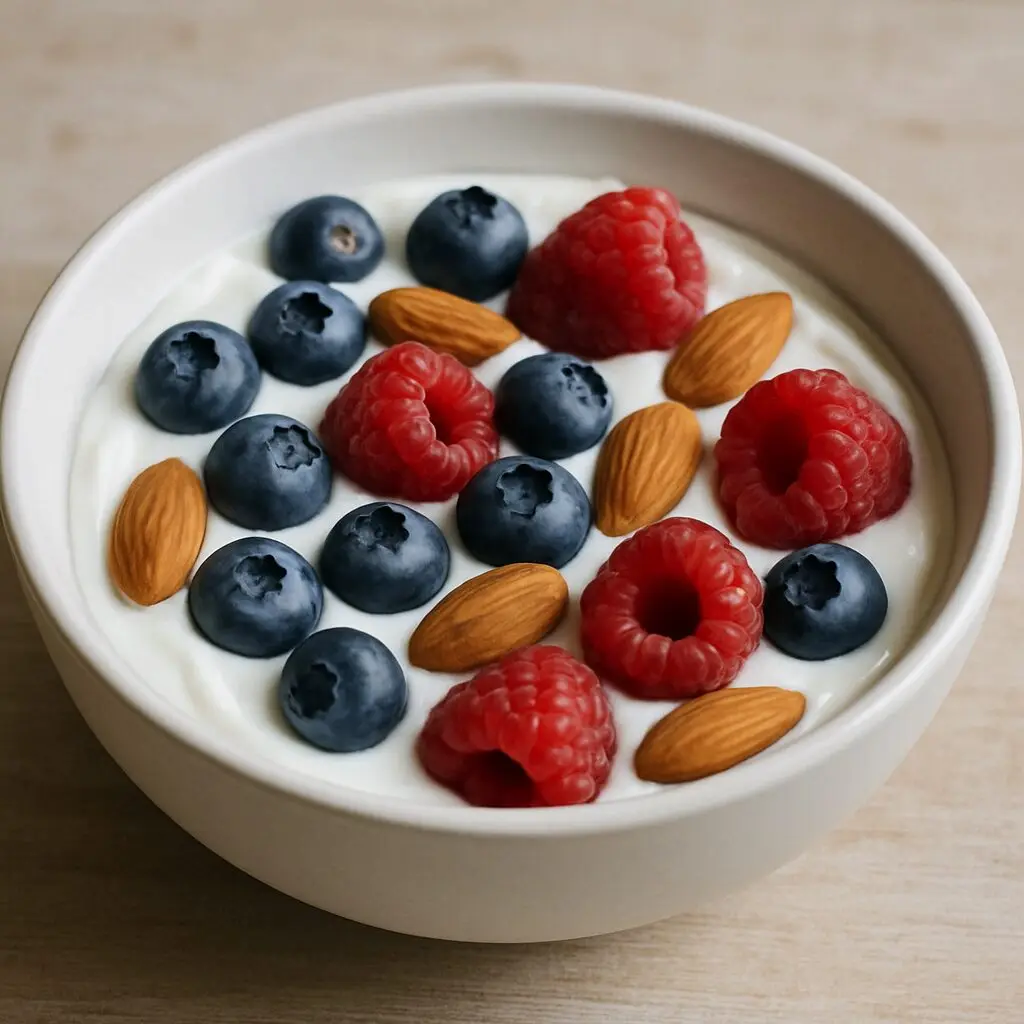
- Greek yogurt parfait: plain yogurt with almonds and a drizzle of honey — light and won't leave you bloated before bed.
Best fast-food post-workout options
When the only thing open is a drive-thru, choose grilled proteins and avoid deep-fried items (fat slows protein and carb digestion).
- A burrito bowl with double chicken, white rice, black beans and salsa (skip the sour cream and cheese).
- Grilled chicken nuggets with a fruit cup and a side salad.
- A turkey or roasted-chicken sub on whole-grain bread loaded with spinach and tomatoes.
Combat soreness with anti-inflammatory foods
- Tart cherry juice: antioxidants can reduce muscle pain and inflammation.
- Salmon: omega-3s reduce joint inflammation — pair with quinoa for a great recovery meal.
- Turmeric and ginger: add to rice or smoothies to soothe aching muscles.
Quick snacks and meal prep
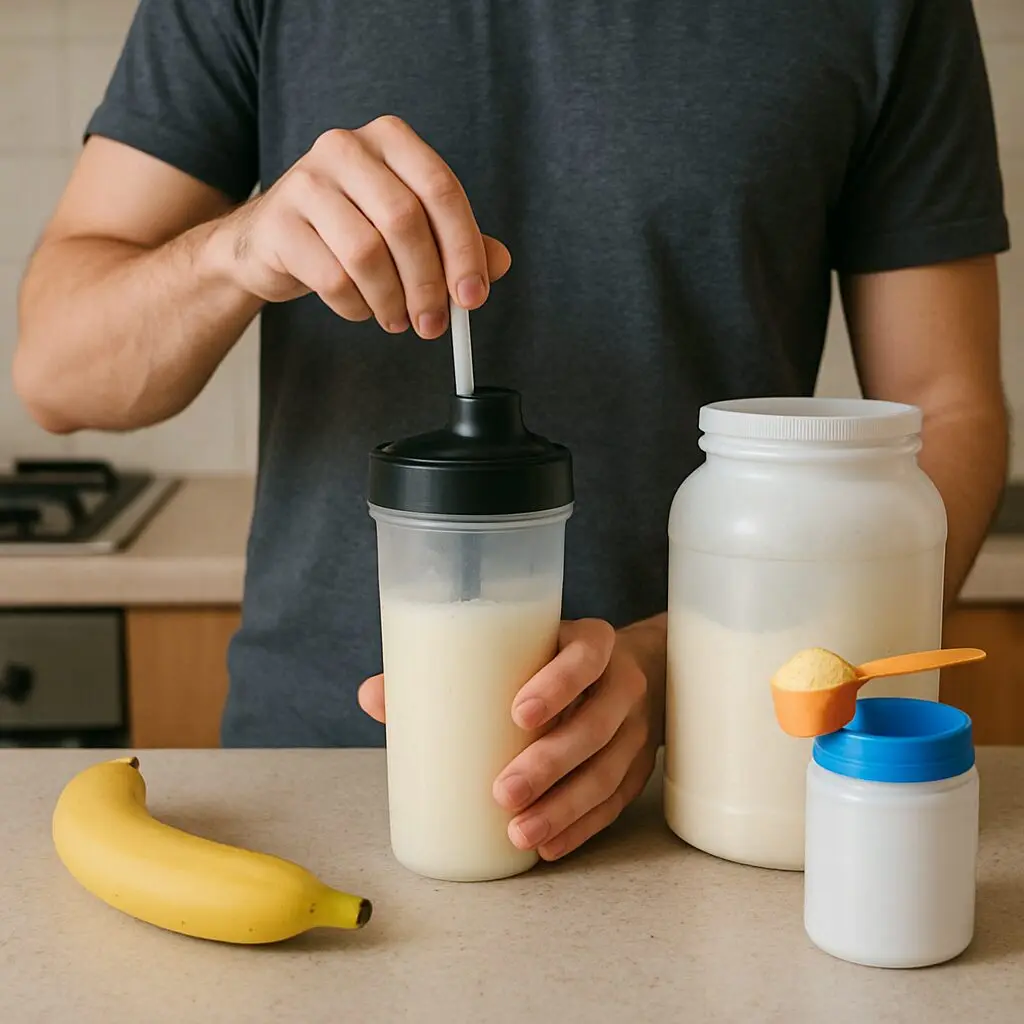
- Protein shake with a banana — the most convenient post-exercise option.
- Rice cakes with a light spread of peanut butter — fast carbs plus flavour.
- Hard-boiled eggs and an apple, or a portable tuna packet for cheap, high-quality protein.
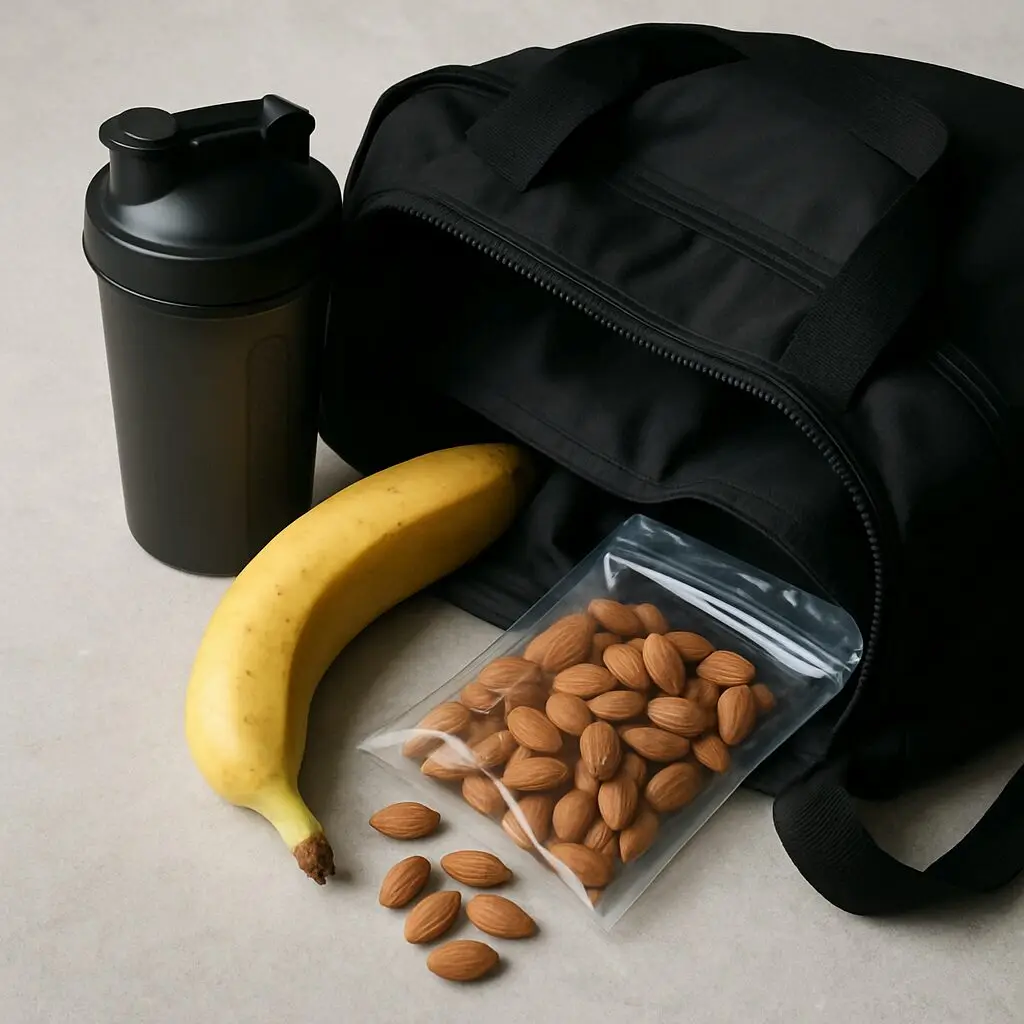
Meal prep makes consistency far easier. Bulk-prep carbs (jasmine rice, sweet potatoes), proteins (grilled chicken, turkey meatballs, lentils) and veggies on a Sunday, then assemble and microwave when you get home. Treat your pre- and post-workout meals as a pair: complex carbs and moderate protein before, faster carbs and higher protein after.
Do I have to eat within 30 minutes of training?
No. The anabolic window is wider than the myth suggests: getting adequate protein and carbs within two to three hours is enough. If you trained fasted, eat sooner.
What's the best protein-to-carb ratio?
Roughly 2:1 carbs to protein for strength training, and 3:1 or 4:1 for endurance work that heavily depletes glycogen.
Are plant-based meals as effective for recovery?
Yes, if planned well. Combine sources (rice and beans) or use soy-based products to get all nine essential amino acids.
What should I eat after a late-night workout?
Prioritise slower-digesting protein and lighter carbs. Cottage cheese and berries or a Greek yogurt parfait work well without disrupting sleep.