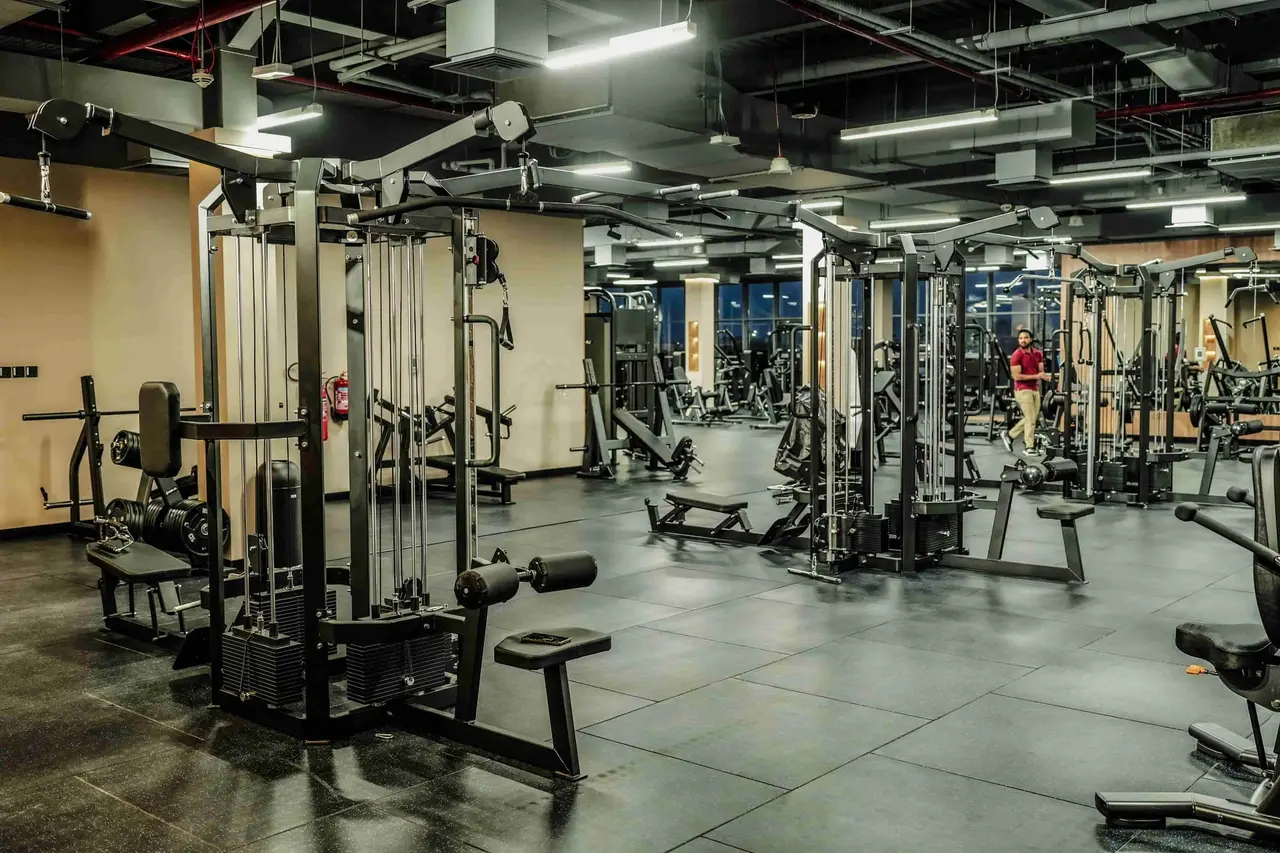
Ask your staff first
With a small team, five minutes of asking saves you a contract nobody uses. Send a short anonymous form with these questions.
- Would you use a gym if the company helped with the cost?
- Where do you usually start and end your day: home, office or a site?
- When could you train: before work, at lunch or in the evening?
- Would you want a women-only space to train in?
- What matters most to you: the gym floor, classes, coaching or recovery facilities?
Take the answers to the gym. RPM's corporate wellness page explains what to include in an enquiry. Arrangements are tailored to each organisation and confirmed when the team replies, so none are published.
Questions that matter more when the team is small
| Ask the gym | Why it matters for a small company |
|---|---|
| Will you quote for a handful of people? | Some arrangements are built for large employers, so find out early |
| Can we add someone part-way through the term? | One new hire is a big share of a small team |
| If someone leaves, can their place pass to a replacement? | Otherwise you pay for a place nobody can use |
| Can staff add a spouse at their own cost? | A popular extra that costs the company nothing |
| Is it one invoice for the company, or one per person? | Decides how much admin lands on you |
| Can we start on a shorter term and review? | Lets you test uptake before a longer commitment |
| Which sections and facilities does it cover? | Staff will ask on day one |
Mixed teams: plan for women who want a women-only space
In a team of ten, one or two people's needs can decide whether the benefit works. If some of your female staff want to train in a women-only space, a gym without one will not work for them, however good its mixed floor.
At RPM, the Ladies section is for women only, with its own strength and cardio equipment and the Pilates studio. Men train in the Mixed section. Confirm which sections the arrangement covers for each person, and let staff ask their own questions on a tour rather than guessing for them. RPM's Ladies section shows what it includes.
Think about Ramadan too, and about anyone who works shifts or on site. A gym that suits office hours may not suit them.
Who pays: four models
| Model | How it works | Admin for you | Watch for |
|---|---|---|---|
| Company-paid | The company pays the gym directly for each person who joins | One invoice, one contract | Paying for places that go unused |
| Subsidy | The company pays part and the employee pays the rest | Agree in writing how the staff share is collected | Staff dropping out when the full cost falls on them |
| Reimbursement | Staff pay the gym and claim the cost back | Approving claims and checking receipts | Claims piling up without proper invoices |
| Allowance | A fixed wellness amount in pay, spent as staff choose | The least admin of the four | No way to see whether it goes on training |
Reimbursement suits a team spread across the city, because each person can choose a gym on their own route. The paperwork side is covered in claiming gym costs from an employer. Ask your accountant how each model sits in your books before you choose.
Measuring uptake without watching individuals
You want to know whether the money is working, not who went to the gym on Tuesday. Measure the totals.
- Sign-up rate: how many of the people offered the benefit took it up.
- Regular use: ask the gym what anonymous, aggregate usage figures it can share, such as visits per month across the team.
- Cost per regular user: the total cost divided by the people training most weeks.
- A pulse question every quarter: is the benefit worth keeping, and why?
Worked example: a company of twelve offers the benefit, seven sign up, and after three months five train most weeks. The cost per regular user is the total divided by five. If that figure looks high, a reimbursement model may cost less for the same people.
Before launch, tell staff what you will see and what you will not.
A four-week setup plan
| Week | Do this |
|---|---|
| 1 | Send the staff form and agree a budget ceiling |
| 2 | Send one or two gyms a brief covering team size, sections needed, when staff train, the payment model and a start date |
| 3 | Arrange tours so staff can see the gym before deciding |
| 4 | Sign, tell staff who pays for what and what is covered, and set a review date three months out |
Questions, answered.
Is five people enough for a corporate arrangement?
It depends on the gym, so ask early. At RPM, arrangements are tailored to each organisation and confirmed on enquiry. Send your team size with your first message.
Should we include personal training?
Start with access, then add coaching for the people who want it. Ask what coaching options a corporate arrangement can include and how sessions would be booked.
Some of our staff are based off the island. What then?
RPM is one club, in Al Manhal. Staff who live or work far from it may be better served by reimbursement at a gym on their own route, alongside an arrangement for those who can reach Al Manhal easily.
What if only two people use it?
Then paying the gym for everyone may cost more than it returns. Switch to reimbursement or an allowance at the review, and ask the gym what notice it needs.
How do we announce it?
In one short message: who can join, what the company pays, what is covered, how to sign up and when the first tour is. Keep personal details out of group chats.