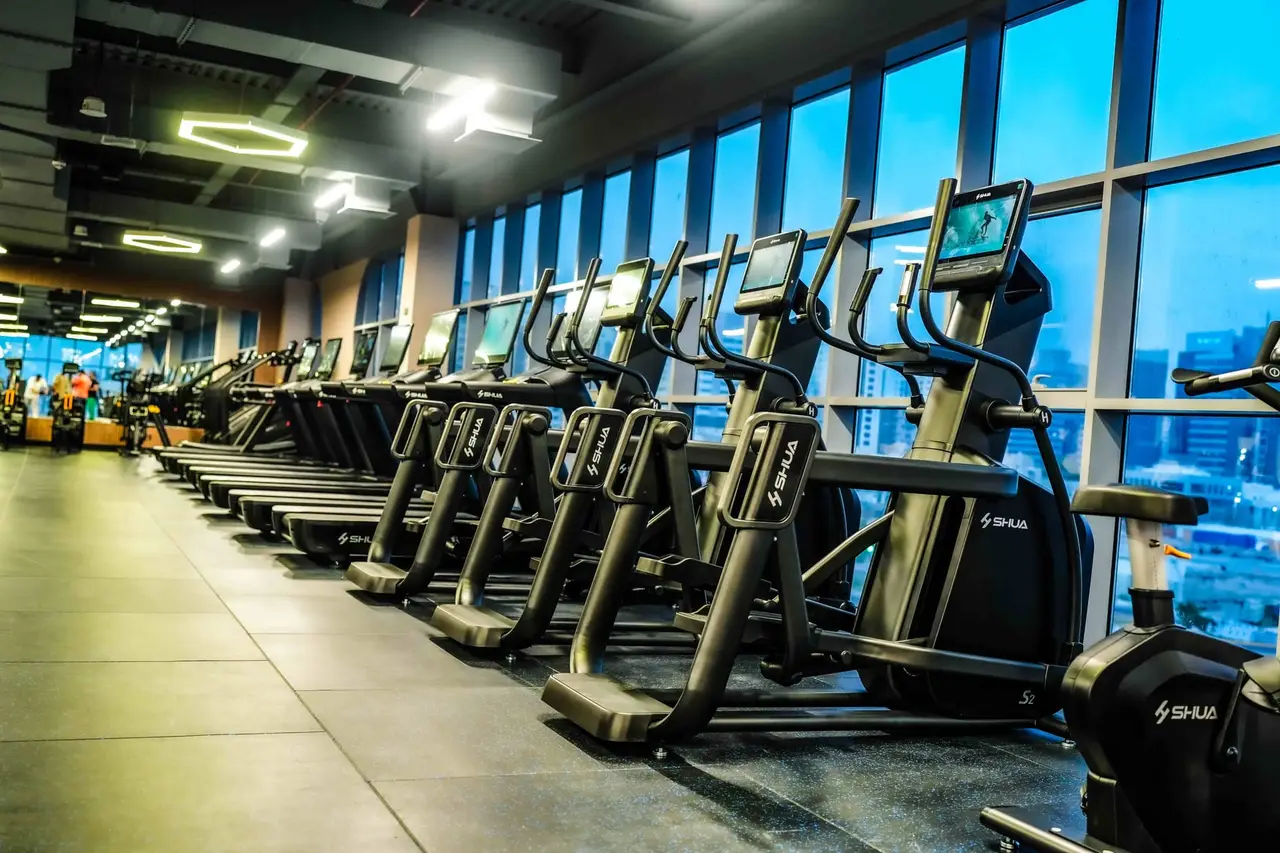
Start from your working pattern, not the gym's timetable
Office weeks in the UAE differ more than people expect, so the first step is to write down your own. The official government portal, u.ae, sets out the general rules below. Your employer's actual hours, shifts and flexible-time rules are what count, so read these as the frame, not as your contract.
| Sector | What the portal says | What it means for training |
|---|---|---|
| Federal government | A four-and-a-half-day week: eight hours Monday to Thursday and a shorter Friday, with Saturday and Sunday as the weekend | A weekday window once work ends, a Friday afternoon and a two-day weekend |
| Abu Dhabi government | Listed among the local governments that adopted a similar work week | Usually the same windows, but check your own entity |
| Private sector | Normal hours of eight a day or 48 a week, with breaks of not less than an hour for anyone working five hours in a row | Your week may run five or six days, so the gaps depend on your contract |
| Ramadan, private sector | Working hours are reduced by two hours every day | Windows move, and gyms often change hours too |
The break rule says breaks exist, not when they fall. Ask your manager or HR when yours is before you plan a lunch session around it.
Once you know your windows, match the membership to them. Which sections and what coaching you need depend on when and how you train, and RPM's membership tiers are confirmed on enquiry, with Floor covering the training floor, Engine adding coached programming and Atelier built around one-to-one coaching.
How much activity the week has to hold
The World Health Organization's 2020 guidelines set adults a weekly budget of 150 to 300 minutes of moderate aerobic activity, or half that, 75 to 150 minutes, if the activity is vigorous. On top of that come two or more days of muscle-strengthening work covering the major muscle groups. In WHO's terms, moderate means an effort you would rate at about 5 or 6 out of 10 for yourself, and some activity beats none.
Two ways an office worker might fill that budget. The arithmetic is the point, not the exact plan.
| Plan | Gym sessions | Outside the gym | Weekly total |
|---|---|---|---|
| Two gym days | Two full-body strength sessions, each ending with 20 minutes of moderate cardio | A 25-minute brisk walk on five days | About 165 minutes of moderate activity, strength twice |
| Three gym days | Three strength sessions, each with 30 minutes of moderate cardio | One longer weekend walk or ride of 60 minutes | About 150 minutes of moderate activity, strength three times |
If you are new to training, have a medical condition or are pregnant, build up gradually and check with your doctor first.
The other half of the problem: sitting all day
An office job adds something a gym session cannot cancel on its own: hours in a chair. WHO also asks adults to cut down the time they spend sitting, and says that swapping sitting for activity of any intensity, even light activity, brings health benefits. That makes the working day itself part of the plan.
- Take one-to-one calls standing or walking along a corridor.
- Walk to a colleague's desk instead of sending a message, and use the stairs for a floor or two.
- After lunch, walk for ten minutes. In summer, an indoor loop of a mall or office complex keeps you out of the midday heat.
- Set a reminder to stand and move for a few moments every hour or so.
Picking your gym window
| Window | Suits you if | The catch |
|---|---|---|
| Before work | You sleep early and want the session done before email starts | Cutting sleep to fit it in |
| Lunch break | Your break and your drive leave enough time for a real session | The round trip eats most lunch breaks |
| After work | Your evenings are predictable and you like to switch off with training | The floor and the roads are at their busiest |
| Friday afternoon | You work the half-day government Friday | Prayers first, and gyms often keep shorter Friday hours |
| Weekend | You want one longer, unhurried session | Family plans and travel compete for the same days |
Two windows have their own guides. Training at lunch does the round-trip sum for a lunch break, and training after work plans around the evening rush. Whether morning or evening suits your body better is a separate question, which morning vs evening workouts answers from the research.
Three office weeks, planned
| Working pattern | Gym sessions | Desk days |
|---|---|---|
| Government, four and a half days | Two weekday sessions straight after work, plus Saturday morning | Walk after lunch on the days without the gym |
| Private sector, five days with a long commute | One before-work session midweek, plus Saturday and Sunday | Stairs and standing calls every day, a walk at lunch twice |
| Private sector, six days | One evening session midweek, plus a longer session on the day off | Short walks on every working day, since gym time is scarce |
Each plan gives at least two strength days, which is the part of WHO's advice a gym makes easiest. Government employees will find a fuller week grid in training on a government working week.
When work moves: late meetings, busy seasons and Ramadan
- Give every session a backup slot in the same week, so one late meeting does not cancel it.
- Keep a short version of your session for bad weeks: one main lift and some cardio still counts.
- In a busy season at work, drop to the two-gym-day plan rather than stopping, and keep walking.
- In Ramadan, shorter private-sector days and changed sleep move the windows. Many people train in the evening, but whether RPM's hours change for the month is not confirmed, so ask the team.
- From May to September, move outdoor walks indoors and keep the gym sessions as they are.
Training at RPM around your hours
RPM is one club, on Level 4 of AD HUB Sports Complex in Al Manhal, with free on-site parking at AD HUB and a lift up. Opening runs from early morning to late evening, with shorter hours on Fridays. The grooming hub has a vanity area with hairdryers and products, and whether towels and showers are available is something to ask before a before-work routine depends on them.
| Days | Opening hours |
|---|---|
| Saturday to Thursday | 06:00–23:00 |
| Friday | 09:00–22:00 |
Hours can change, for example during Ramadan. Confirm with the team before a late or early visit.
Men train in the Mixed section, and women can also use the women-only Ladies section, depending on the tier. Ask about public holiday and Ramadan hours before you plan around them.
Sources
Questions, answered.
How many gym sessions can someone with an office job realistically manage?
Two a week is a workable minimum, because it covers WHO's two strength days. Three is better if your week allows it. Walking on the other days fills the rest of the budget.
Does walking around the office count towards WHO's target?
Brisk walking that feels like a 5 or 6 out of 10 counts as moderate activity. Slower walking still replaces sitting, which WHO also recommends.
Can my employer change my hours in Ramadan?
The u.ae portal says private-sector working hours are reduced by two hours a day in Ramadan. Your employer sets the exact times, so ask HR.
What if my hours change every week?
Plan the week each weekend once you know your schedule, and keep two short sessions ready that fit almost any gap.