Two kinds of day in one programme
A hybrid plan works when each kind of day has a job the other cannot do. Problems start when solo days become a second, improvised programme, or when coached sessions are spent on sets you could easily do alone.
- Coached days: learning or refining a lift, the heaviest sets of the week, any testing, and a look back at the solo days since the last session.
- Solo days: repeat sets of lifts the coach has signed off, extra volume on machines and cables, plus the conditioning and mobility work the plan calls for.
Whether a hybrid suits you better than full coaching or none is weighed in paying a coach or training on your own plan. How one-to-one coaching is offered at the club is on RPM's personal training page. This page is about how the solo days get written.
A solo-day card, line by line
A good card answers every question you would otherwise ask the coach. These are the lines most coaches include.
| Line on the card | Example | Why it is written that way |
|---|---|---|
| Warm-up | Five minutes on a bike, then two light sets of the first exercise | The same start each time shows up an off day early |
| Exercise and set-up | Leg press, seat on hole 6, feet shoulder-width | No guessing at the machine |
| Sets, reps and effort | Three sets of 10 to 12, with about two reps left on each | A range and an effort target let you adjust to the day |
| Progress rule | All sets reach 12 with two left: take the smallest step up next time | You progress between coached sessions, not only during them |
| Swap if busy | Cable row taken: chest-supported dumbbell row instead | A queue never costs you the exercise |
| Stop rule | Sharp or joint pain: stop that exercise and message the coach | Problems reach the coach before the next session |
| Log line | Load, reps, effort out of ten and one note | The coach can read a session they did not watch |
The progress rule mirrors the American College of Sports Medicine's position stand, which describes a 2 to 10 percent load increase once you can do one or two reps more than the target. Written on the card, it lets you move forward without waiting for the coach.
Weekly patterns and where solo days fall
| Stage | Coached | Solo | Spacing that works |
|---|---|---|---|
| Starting out | Two a week | One | The solo day sits between coached days and repeats what was taught |
| Settled | One a week | Two | Coached early in the week, so solo days follow fresh instructions |
| Experienced | One a fortnight | Three a week | The coached session carries the heavy work and a plan review |
| Building to an event | One a week | Two or three | The coached session drills the event skill, with conditioning on solo days |
WHO advises adults to do muscle-strengthening activity on two or more days a week, and solo days count. The ACSM position stand suggests two or three training days a week for novices and three or four for intermediate lifters.
How the coach keeps track of days they never see
- A shared log, in an app or a spreadsheet the coach can open, filled in before you leave the gym.
- One filmed set a week of the lift most likely to drift, taken side-on.
- Effort scores next to each exercise, which show whether the card's loads still fit.
- The first few minutes of each coached session spent reading the solo days, then raising, holding or trimming the next card.
- An agreed way to send a quick question between sessions, and a rough idea of when to expect a reply.
If your coach never mentions your solo days, the two halves have drifted apart. Ask for a five-minute review at the start of the next session.
When a solo day should become a coached one
- A lift feels different from how it felt with the coach, or you have started skipping it.
- Solo loads have stalled for three weeks while sleep and attendance were normal.
- You want to add a new lift. Learn it on a coached day first.
- You are tempted to test a maximum. Keep heavy singles and max attempts for coached sessions.
- You are back after a break of several weeks. Restart with a coached session that resets the card.
Pain is different. A sharp, lasting or worsening pain needs a doctor or physiotherapist, not a coached session. The coach can then adjust the plan around their advice.
Running a hybrid at RPM
RPM's coaches work in both the Mixed section and the women-only Ladies section, and the roster covers strength, conditioning, Pilates, combat fitness and physique training. The club has early-morning and late-evening opening with shorter Friday hours, so solo days can go at whatever end of the day suits you.
- Floor gives you the training floor for solo days. Engine adds coached programming, and Atelier is organised around one-to-one coaching. What each includes, and its price, is confirmed on the membership page and on enquiry.
- Ask whether your coach writes solo cards, and in what format.
- Ask how the log is shared and how often it is read.
- Confirm which sections your tier covers, so a solo card never sends you to kit you cannot use.
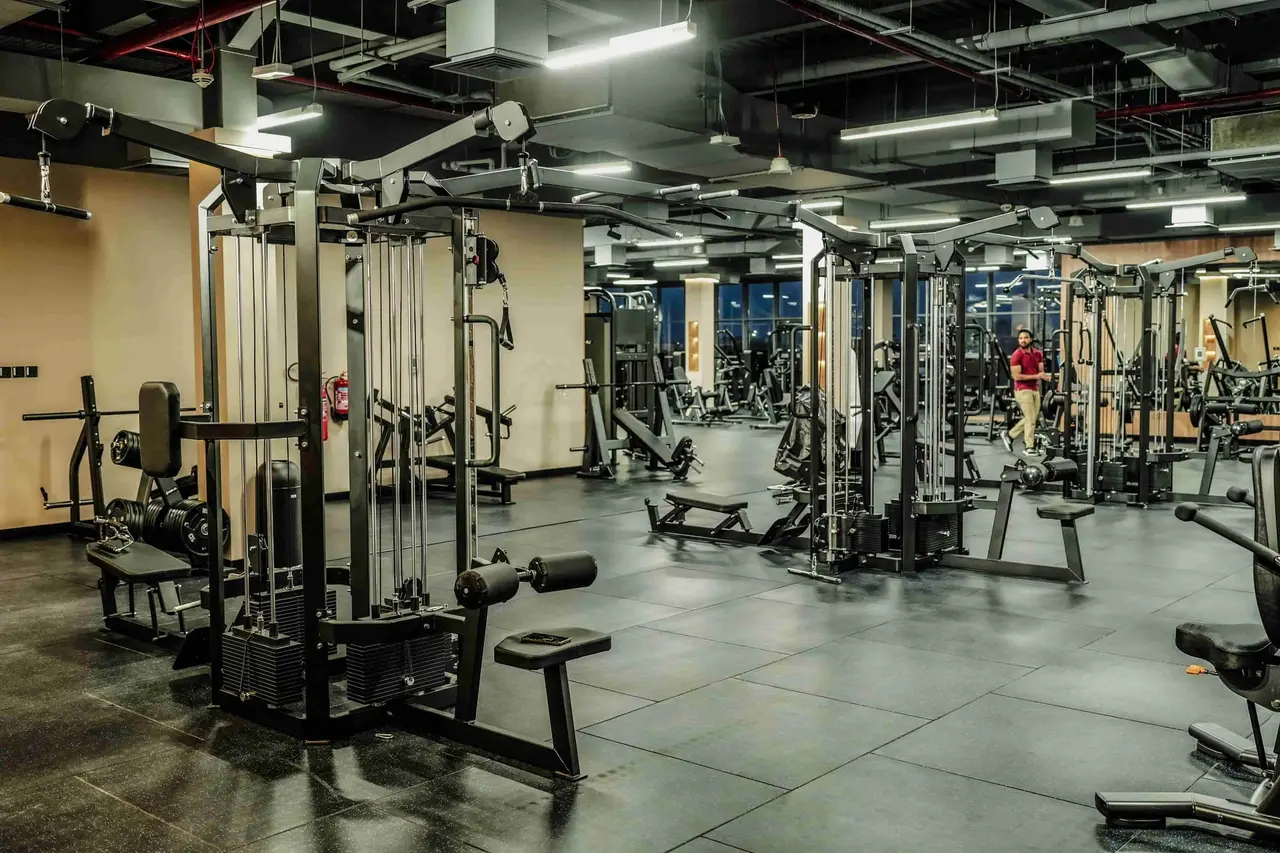
On a free guided tour, look at the machines a solo card would lean on, at the hour you would train, and ask to meet a coach.
Sources
Questions, answered.
Can a coach programme my solo days if I only see them monthly?
Yes, if the log is good and the cards are detailed. Each meeting then reviews a month of data and writes the next cards. Occasional coaching explains how to make infrequent sessions count.
Can I go to a class on a solo day?
Tell your coach first. A class can stand in for the conditioning part of a solo day, but it should not replace the strength work the card protects.
What if I want to change something on the card?
Use the swaps already listed for busy stations. For anything bigger, such as a new exercise or an extra set, ask the coach so the change shows up in the plan.
Is a hybrid cheaper than full coaching?
Usually, since you pay for fewer coached sessions. RPM does not publish personal training prices, so compare the packages the team quotes you.