One set of principles, different practical questions
There is no separate science of lifting for women. The World Health Organization's 2020 guidelines give every adult the same advice: muscle-strengthening activity at moderate or greater intensity that works all the major muscle groups, on two or more days a week. The movements and the way they progress are the same for everyone.
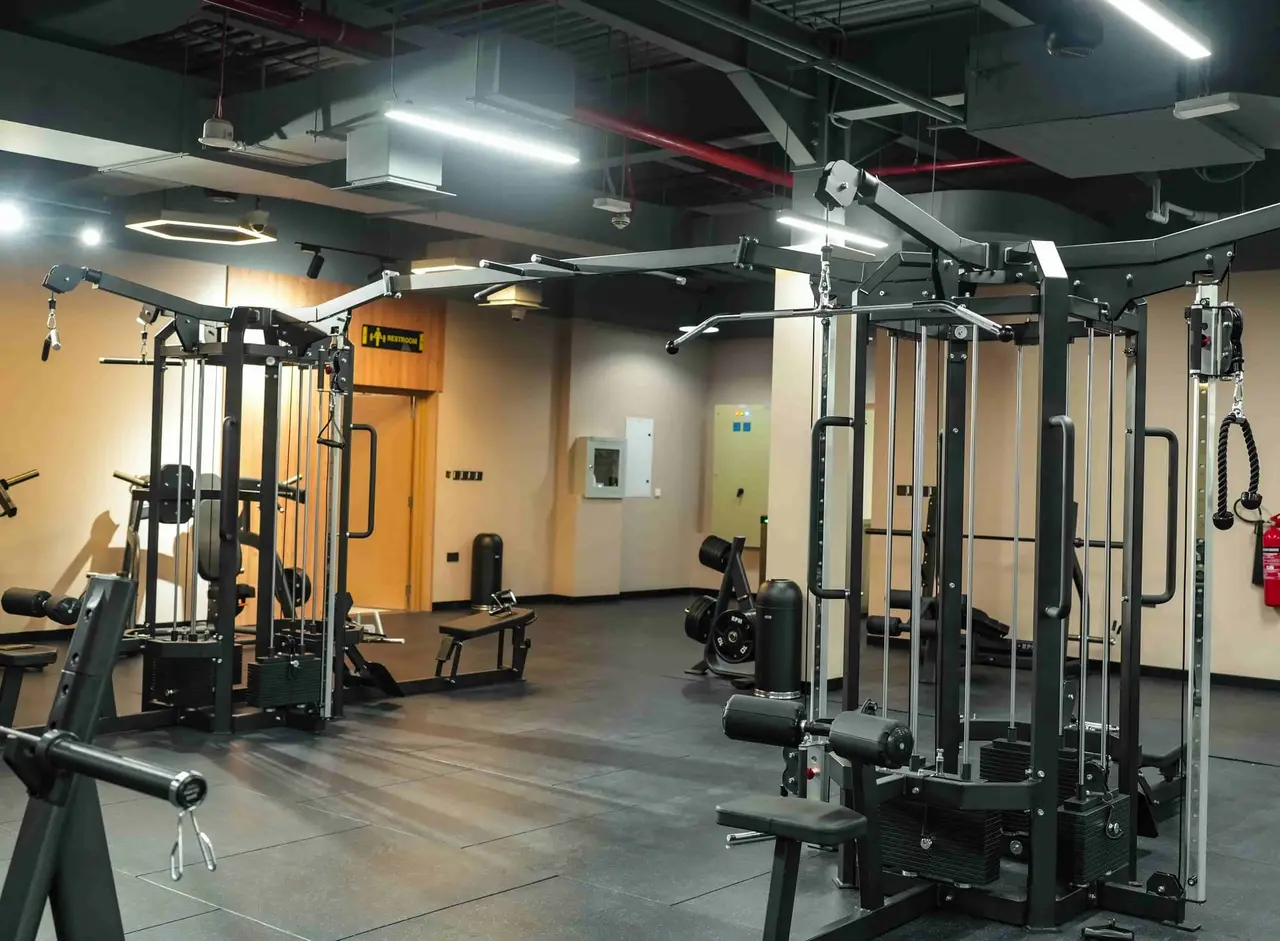
What changes are the questions around the training. Where will you feel at ease while you learn? Would you rather work with a female coach? How do you plan a block around a fasting month, a long trip or a pregnancy? This page covers how the training itself is structured. For the strength floor and its equipment, see strength training at RPM.
Pregnant, recently given birth, or managing a medical condition or injury? Get clearance from your doctor or midwife before you start, and tell your coach what they advised. A coach adapts sessions to that advice but does not decide what is medically right for you.
A 12-week block in three phases
Coaches arrange blocks in different ways, so read this as a common shape rather than a rule. Each phase has one aim, and you move on when you meet its exit sign, not when the calendar says so.
Effort is given as reps left in the tank: how many more you could have done with good form.
| Phase | Main aim | How the last reps of a set should feel | Move on when |
|---|---|---|---|
| Learn, weeks 1 to 4 | Groove the main movements on machines, dumbbells and kettlebells, two or three sessions a week | Comfortable, with three or more reps left | You can set up and perform each movement without prompts |
| Build, weeks 5 to 9 | Add load in small steps, and bring in a first barbell lift if you want one | Hard, with two or three reps left and form unchanged | Your log shows steady increases and you recover normally between sessions |
| Consolidate, weeks 10 to 12 | One easier week, then a few sessions at your best loads and a simple retest | Mostly hard, with the easier week to freshen up | You can compare week 12 with week 1 and plan the next block |
If a busy month breaks a phase, repeat it. Restarting Build after a two-week gap costs far less than pushing on with patchy technique.
Habits that quietly stall women's programmes
- Staying on the lightest dumbbells for months. WHO's advice is for moderate or greater intensity, so the last reps of a set should take real effort. Add load once you pass the top of your rep range.
- Training only glutes and legs. Rows, pulldowns and presses are what make carrying a child or lifting a cabin bag easier, and WHO counts the back, chest, shoulders and arms among the major muscle groups.
- Long cardio before lifting. Forty minutes on a treadmill first leaves less energy for the sets that matter. Lift first, or give cardio its own day.
- Changing the programme every week. New exercises feel productive, but you cannot measure progress on a movement you only do once. Keep the main lifts for the whole block.
- No written log. Note every weight and rep count in your phone, because by week 8 it is the only reliable record of your progress.
Myths worth clearing up
Will heavy weights give me a bulky look?
Muscle size follows what you train for and how you eat over a long period. A block aimed at strength and health does not chase size, and you and your coach decide how much volume you do. If size is not your goal, say so at the start and the plan will reflect it.
Should women lift light weights for lots of reps to 'tone'?
Toning is not a separate kind of training. Light loads for very high reps are the classic recipe for muscular endurance in the American College of Sports Medicine's resistance-training position stand. To get stronger, WHO calls for muscle-strengthening work at moderate or greater intensity, which means sets that feel hard by the last few reps.
Is strength training only for younger women?
No. WHO advises adults over 65 to keep doing muscle-strengthening activity on two or more days a week, and to add varied activity that emphasises balance and strength on three or more days. If you have a condition such as osteoporosis, ask your doctor what to avoid first.
Do I have to train differently around my cycle?
There is no single rule. Some women keep the same plan all month, while others lighten a session on days when energy is low or cramps are bad. Note how you feel in your log and adjust from that. If symptoms are severe or regularly disrupt training, speak to a doctor.
Is weight training for women different from strength training?
No. In everyday use the two names mean the same thing: working against a resistance such as dumbbells, barbells, machines or cables so your muscles have to work harder. Everything on this page applies whichever name you searched for.
Where the Abu Dhabi calendar interrupts a block
- Ramadan. Many women move training to after iftar. Run the month as a Consolidate phase: keep the main movements, drop a set or two, and hold your loads rather than chasing new ones.
- Summer travel. If you fly in July or August, plan the block to finish before you leave, then restart at the Build phase when you are back.
- A new school term. The first weeks of September reshuffle family timetables. Fix your sessions to the days that stay stable, often weekend mornings, before adding a third.
How the training runs in RPM's Ladies section
RPM is one club, on Level 4 of AD HUB Sports Complex in Al Manhal, with a Mixed section and a separate women-only Ladies section. The Ladies section has its own strength and cardio equipment and the Pilates studio, and female coaches on the roster work there.
- Coach Maria, the strength and conditioning coach in the Ladies section, is the natural first contact for a strength block.
- Asma Jamousi Zadeh, listed for HYROX-style training in the Ladies section, suits women who want conditioning alongside their lifting.
RPM does not publish an equipment list for the Ladies section, session lengths or package prices. On a free guided tour, ask which racks, benches and dumbbells sit in the section, whether a Build-phase barbell lift can happen there, and which tier covers it. Of the three tiers, Engine adds coached programming, while Atelier centres on one-to-one coaching. The turf lane and sled are in the Mixed section's functional area, so check whether your tier includes that section if you want them. To choose a coach, see RPM's female personal trainers.
Sources
Questions, answered.
How many sessions a week does a woman need to get stronger?
Two or three full-body sessions suit most beginners and meet WHO's advice of muscle-strengthening on two or more days a week. Experienced lifters often move to three or four sessions split between upper and lower body.
I have never lifted. Where should I start?
With the Learn phase, ideally with a few coached sessions. The guide for women new to strength training covers choosing a room to learn in and the first six weeks.
I already lift. Will a women-only section keep up with me?
That depends on its heaviest kit and on the hour you train. The guide for women who lift weights sets out three tests for heavy days.
Can I follow this block without a coach?
Yes, if you are confident with the movements and keep a log. Many women book a coach for the Learn phase and a review at the end of Build, then train alone in between.