What the leg curl trains, and why it sits next to hinges
The hamstrings are a group of muscles that run mostly from the sit bone, at the base of the pelvis, to just below the back of the knee. Because most of the group crosses both joints, it has two jobs: it bends the knee and it straightens the hip. Hinges such as the Romanian deadlift train the hip job; the leg curl trains the knee job, with the calves helping. A programme that uses only one of them leaves part of the work undone, which is why most coaches include both. The hamstring exercises page shows how they fit together in a week.
It suits almost anyone. There is no balance to manage and little load on the spine, so a beginner can learn it in one session, and lifters who already squat and deadlift use it to add hamstring work without tiring the lower back further. It usually comes after the main lift of a lower-body day, often alongside the leg extension for the front of the thigh.
Setting up the lying or seated machine
- Line your knee up with the pivot. On the lying machine, your kneecaps should sit just off the end of the bench pad; on the seated one, move the back rest until the middle of your knee meets the axis marker.
- Set the ankle roller on the back of your lower leg, just above the heel, not up on the calf muscle.
- Seated machine: bring the thigh pad down until it presses firmly on your thighs just above the knees. It should stop you sliding forward without pinching.
- Lying machine: hold the handles under the bench, press your hips into the pad, and rest your forehead or chin down rather than craning your neck up to watch.
- Pick a weight you can curl ten to twelve times with a slow lowering. Hamstrings cramp easily when cold, so do one light set first.
How to do a rep
- Start with your legs almost straight and the weight lifted just clear of the stack.
- Curl your heels towards your glutes on the lying machine, or down and under the seat on the seated one, in about one second. Your hips stay pressed down throughout.
- Pause for a moment at the end of your range, as far as the pad goes without your hips lifting or your lower back arching.
- Lower over two to three seconds until the knees are nearly straight, then start the next rep before the plates touch.
- Keep the same foot position for the whole set; switching halfway changes how the work is shared.
Foot position changes the feel. With your toes pulled up towards your shins, the calves help more and most people can lift more; with your toes pointed, the calves contribute less and the hamstrings do more of the work, so the weight goes down. Choose one for a training block and stay with it. Breathe out as you curl and in as you lower.
Common leg curl mistakes
| Mistake | What it looks like | The fix |
|---|---|---|
| Hips rising off the pad | On the lying machine your hips lift as the heels come up | Press your hips into the bench, grip the handles, and reduce the load |
| Swinging the weight | The stack jumps at the start and drops on the way down | Curl in one second and lower in two or three |
| Roller up on the calf | The pad sits on the muscle and slips as you curl | Slide it down until it rests just above the heel |
| Loose thigh pad | On the seated machine you slide forward and the knees drift off the pivot | Clamp the pad down firmly before the first rep |
| Stopping short at the bottom | The knees never straighten, so the hamstrings never lengthen | Lower until the legs are nearly straight on every rep |
Lying, seated, single-leg and ball versions
Every version trains the knee-bending job of the hamstrings. They differ in where your hips are and in how much your stronger side can cover for the weaker one.
Lying vs seated leg curl: which should you choose?
The seated machine bends your hips, which keeps the hamstrings in a longer, more stretched position while they work, and its thigh pad holds you still, so cheating is harder. Many coaches pick it first for those reasons. The lying machine is a sound choice too, and suits people who find the seated thigh pad uncomfortable. If your gym has both, rotate them between training blocks; if it has one, use that one well.
Single-leg leg curl
Most machines let you curl one leg at a time, and the standing leg curl is built for it: you brace on the frame and curl one heel up behind you. Working one side reveals a strength gap between the legs. Start with the weaker leg and keep the hips square; the usual cheat is twisting the pelvis to finish the rep.
Stability-ball leg curl
Lie on your back with your heels on a gym ball and lift your hips until your body is in a line from shoulders to knees. Roll the ball in by bending your knees, then roll it back out without letting your hips sag. Because the hips must stay up, the glutes and hamstrings work together. Start with two sets of eight on both legs, then progress to one.
Leg curl without a machine
Outside the machine, the closest options are the ball curl above, sliding curls with your heels on sliders on a smooth floor, a cable curl with an ankle strap, and the Nordic curl, where a partner or a fixed pad holds your ankles while you lower your body forward under control. Nordics are very demanding; most people begin with a few partial reps.
If the machine is busy, a Romanian deadlift or a kettlebell swing trains the hamstrings through the hip instead. They complement the curl rather than copy it, so swap like for like when you can.
Sets, reps and how often
| Goal | Sets × reps | How hard |
|---|---|---|
| Learning the movement | 2 × 12 | Stop with three reps left |
| Building muscle | 3 × 8–12 | One or two reps short of failure |
| Higher-rep finish | 1–2 × 15–20 | Close to failure, still lowering slowly |
Rest about a minute to a minute and a half between sets. Hamstrings often cramp late in a hard set; if they do, end the set, stand up and walk until it eases before the next.
Once or twice a week is enough for most people, alongside a hinge somewhere in the same week so both of the hamstrings' jobs are covered. Add a rep at a time; when every set reaches the top of the range with a controlled lowering, move up one step on the stack.
The leg curl at RPM
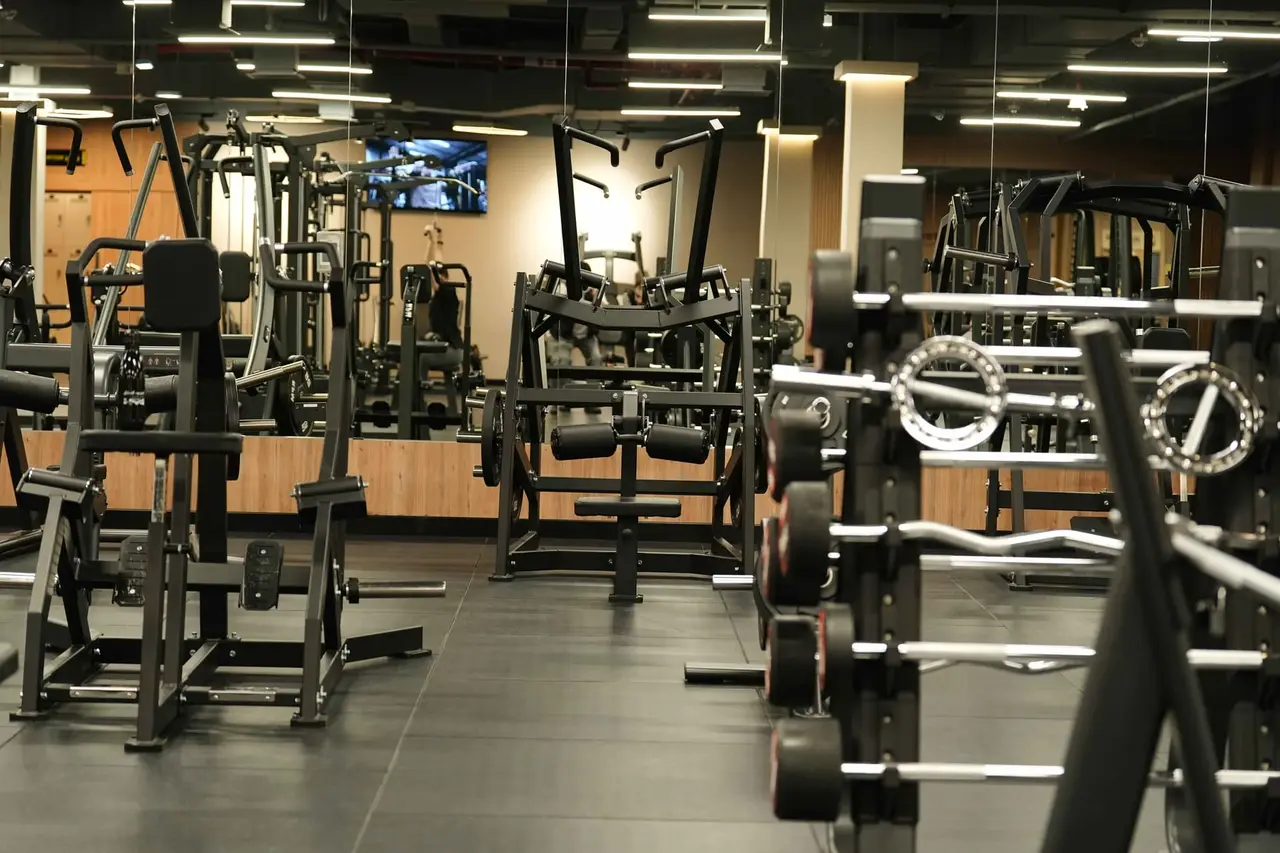
A leg curl machine is not among the equipment RPM's floor photos show, so ask the team which version is on the floor during your free guided tour. The photos do show barbells, colour bumper plates and a dumbbell rack for Romanian deadlifts, and kettlebells for swings, which cover the hip side of hamstring training. A personal training session is a quick way to learn how to combine the two.
Questions, answered.
What muscles does the leg curl work?
The hamstrings at the back of the thigh, with help from the calves. It trains their knee-bending job, so it pairs well with hinges, which train the hip job.
Is a hamstring curl the same as a leg curl?
Yes. Leg curl, hamstring curl, lying leg curl and seated leg curl all describe the same movement, bending the knee against resistance, on slightly different machines.
Leg curl or Romanian deadlift: which is better for the hamstrings?
Neither covers everything. The Romanian deadlift trains the hamstrings at the hip along with the glutes and back; the leg curl trains them at the knee. Most programmes include one of each, and the hamstring exercises page has sample sessions.
How do I use the leg curl machine for the first time?
Line your knee up with the pivot marker, set the roller just above your heel, choose a light weight, and curl and lower slowly for ten to twelve reps. If your hips lift or the stack bangs, the weight is too heavy.
Do I need both the leg curl and the leg extension?
They work opposite sides of the thigh, so doing both keeps the front and back in step. The leg extension straightens the knee for the quads; the curl bends it for the hamstrings. Many people do them back to back.